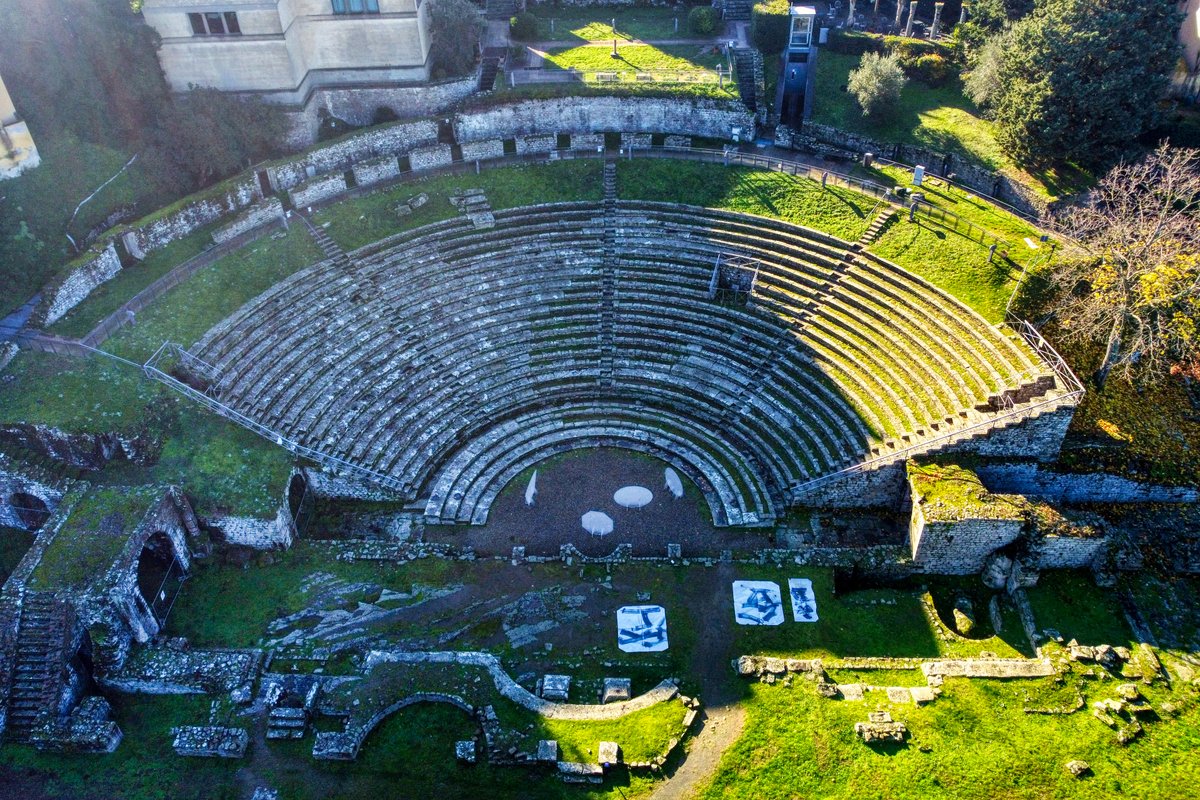

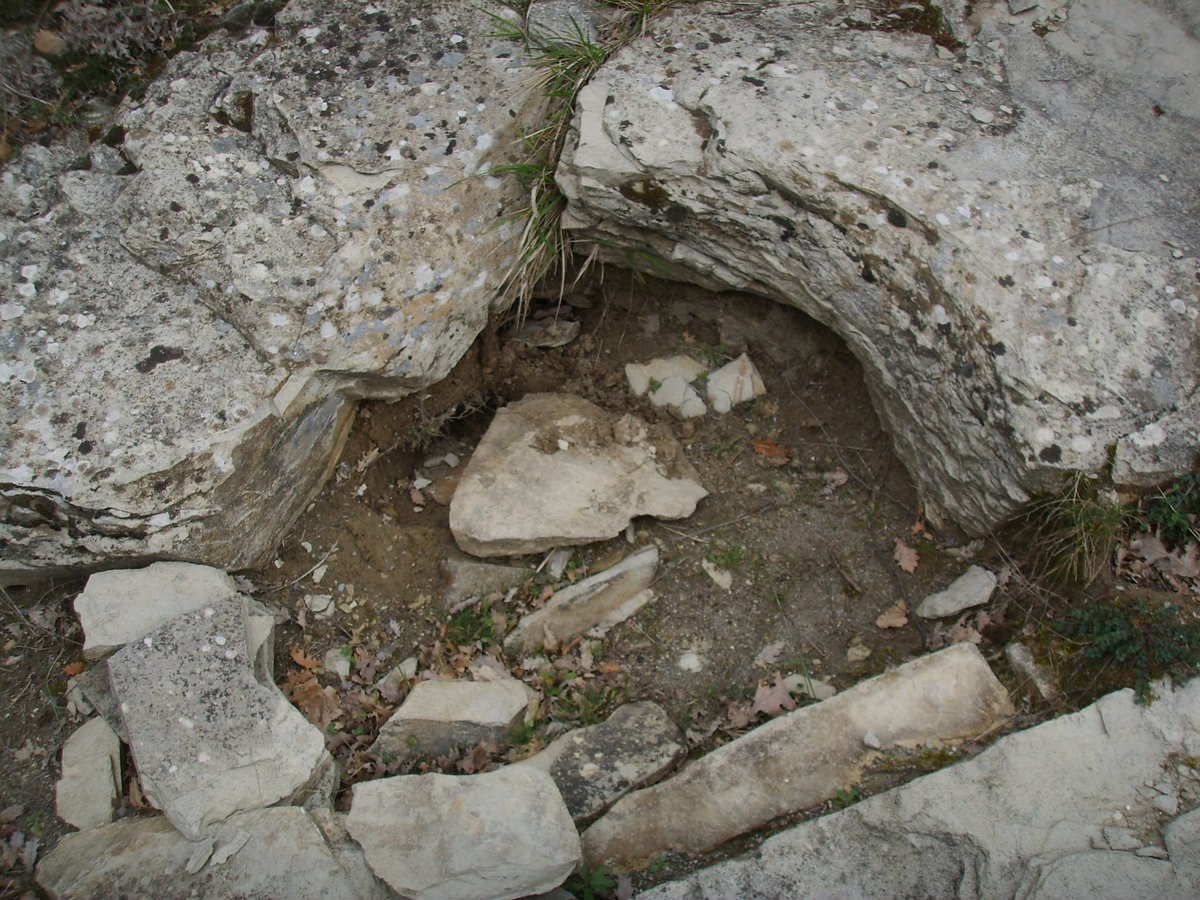
The archaeological area of Fiesole preserves the monumental remains of ancient Faesulae, spread across about three hectares in the northern basin of the city. Visitors can explore a theatre, a bath complex, and an Etruscan-Roman temple, along with a section of the Etruscan walls. These structures stand as a testament to a site inhabited since the Neolithic, which became a dominant center of the middle Arno valley by the 4th century BC.
Fiesole's history is marked by conflict and transition. During the social war, the city was occupied by Lucio Porcio Catone, and in 63 BC it supported Catilina, who gathered the army of the conspirators there before the battle of Pistoia. These periods of instability were followed by a phase of prosperity between the 1st century BC and the 3rd century AD. During this time, the city entered the Roman orbit and the monuments of the archaeological area were built, including the temple, which was rebuilt after fires linked to those wars, as well as the theatre and the baths.
Over the centuries, the site transformed to meet the needs of different inhabitants. Following a crisis in the 5th century, the city's history continued until the end of the 6th century. In the Lombard era, the northern monumental area - with its theatre, baths, and temple - was transformed into a necropolis. The tombs, of simple structure and arranged in regular rows, covered the entire area of the building, reusing materials from the Etruscan and Roman constructions.
Today, the area serves as a preserved window into these overlapping layers of time. The site features the famous grey stone funerary stelae, known as "pietre fiesolane," which were produced in a local school of sculpture starting in the late archaic period. These stones, depicting warriors, priests, and various scenes of life, highlight the importance of Fiesole as a cultural center that influenced the surrounding region for centuries.
Sources: Wikipedia, OpenStreetMap, Wikidata, Wikimedia Commons


Written by Nicolo Ciampini
Discuss this with the author and others
No comments yet. Be the first to start the conversation.