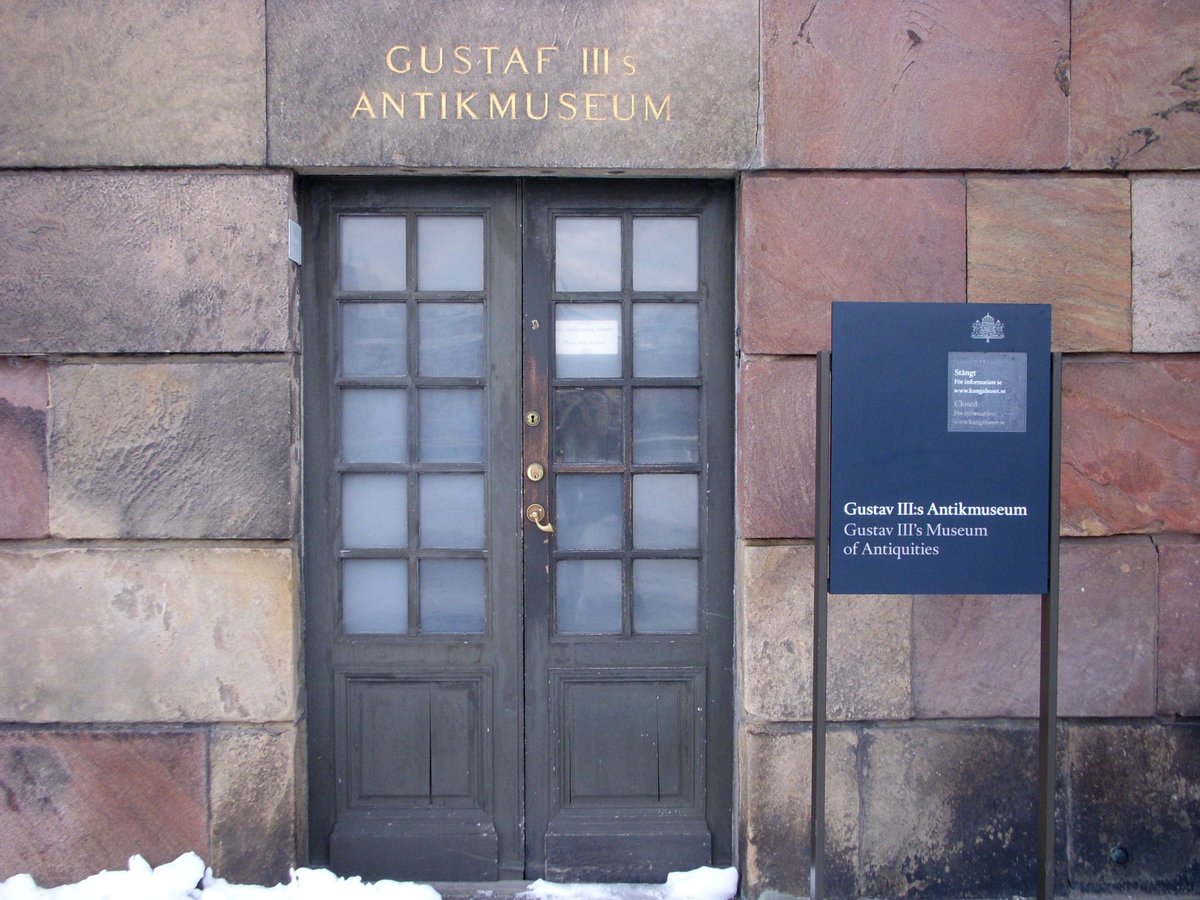

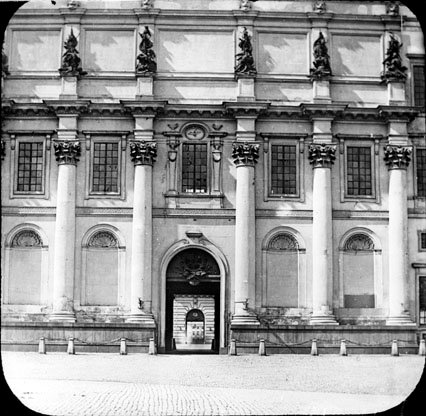
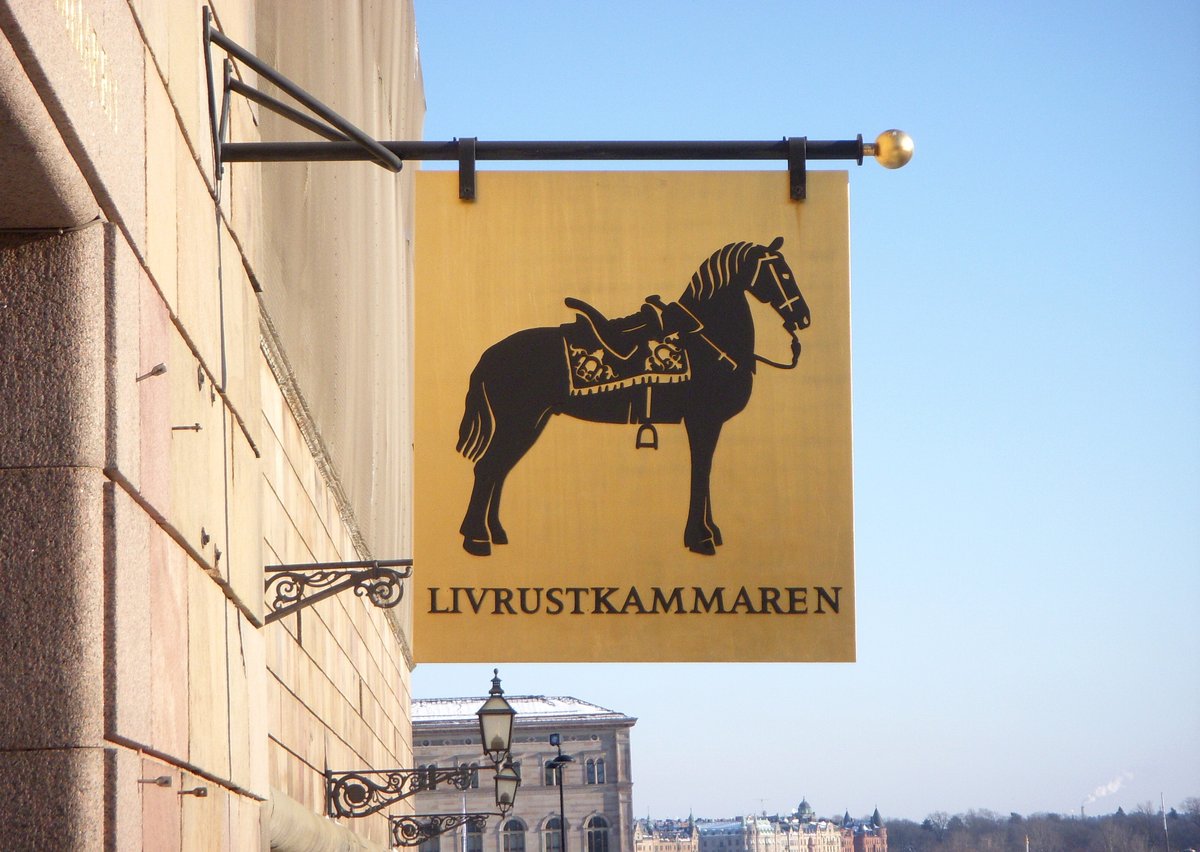
The museum known as Gustav III:s antikmuseum is situated in the north-eastern wing of Stockholms slott. Originally opened in 1794 in honour of Gustav III, who perished in 1792, the museum was initially part of the royal collection. In 1866, the collection of over 200 sculptures was moved to the Nationalmuseum on Blasieholmen. After various uses of the gallery, including the Livrustkammaren from 1884 to 1906, the museum was restored and reopened in 1958 in its original 1794 location.
From its initial collection of over 200 sculptures, the museum serves as a public memorial to the protection Gustav III gave to the free arts. Originating during Gustav III's travels between 1783 and 1784, the sculptures were transported to the country. Today, visitors can view the collection as it was arranged in the 1790s, a testament to ambition, setbacks, and legacies of the past.
The architecture of the gallery, designed in a neoclassical style by Carl Fredrik Sundvall and Carl Fredrik Fredenheim, was created to suit the ancient taste of the objects. While the large gallery was restored to its 1794 appearance, the smaller gallery displays portrait busts. The museum houses sculptures that were inspired by the king's visit to the Vatican museums during his Italian journey.
Sources: Wikipedia, OpenStreetMap, Wikidata, Wikimedia Commons

Written by Nik Frost
Discuss this with the author and others
No comments yet. Be the first to start the conversation.