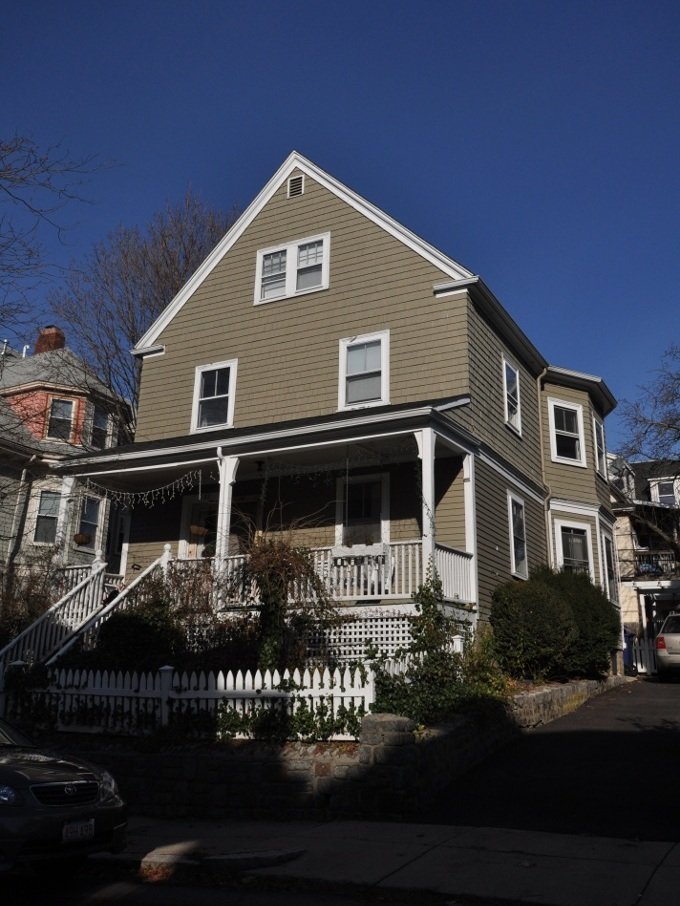
Perched gracefully atop Jones Hill in Dorchester, Boston, the abode of William Monroe Trotter - a two-story wooden structure - transcends its physical form, embodying the spirit of a life devoted to the pursuit of civil rights. This house, built in the late 19th century, was more than a residence for Trotter; it was his platform, the launchpad for his relentless activism, housing the power of his editorials and organizing protests. By 1976, this house was designated as a National Historic Landmark, a distinction it proudly retains to this day.
It's not merely a structure; it's a symbol of courage and resilience, a beacon that shines through adversity. Trotter, born to a Civil War veteran and an African American activist, excelled academically, graduating at the top of his high school class, a remarkable feat for a black student in the late 19th century. After his honorable graduation from Harvard University in 1899, he etched his name in history as the first African American to be elected as a Phi Beta Kappa.
Trotter's tireless activism played a crucial role in the establishment of the Niagara Movement, a precursor to the NAACP. However, his unwavering dedication to the cause of civil rights also paved the way for financial challenges, culminating in the loss of his previous residence at 97 Sawyer Avenue. Yet, Trotter's legacy continues to inspire, a testament to the power of determination and the fight for equality. Despite the Trotter House not being open to the public, its story remains an essential part of American history, a tale that needs to be shared, whispered, and sung across the land.
Sources: Wikipedia, OpenStreetMap, Wikidata, Wikimedia Commons
Written by No other
Discuss this with the author and others
No comments yet. Be the first to start the conversation.