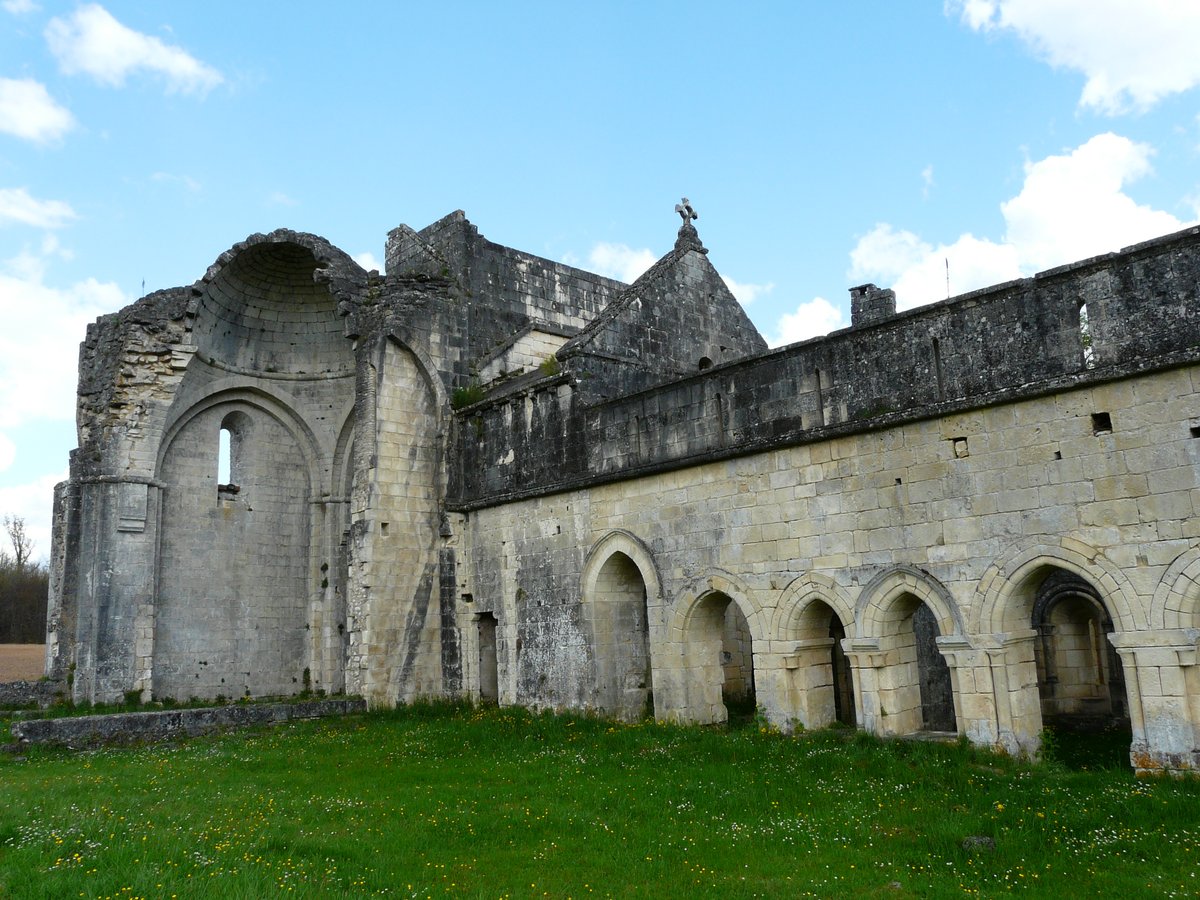

In the rural wilds of France, the Abbaye Notre-Dame de Boschaud presents an unusual take on conventional Cistercian abbeys. Unlike most Cistercian foundations, it was not established on a river, but is supplied with water solely by wells. The church features a style that skillfully mixes Cistercian design with the Romanesque style found in Périgord and Saintonge, including a unique eastern extension to the choir.
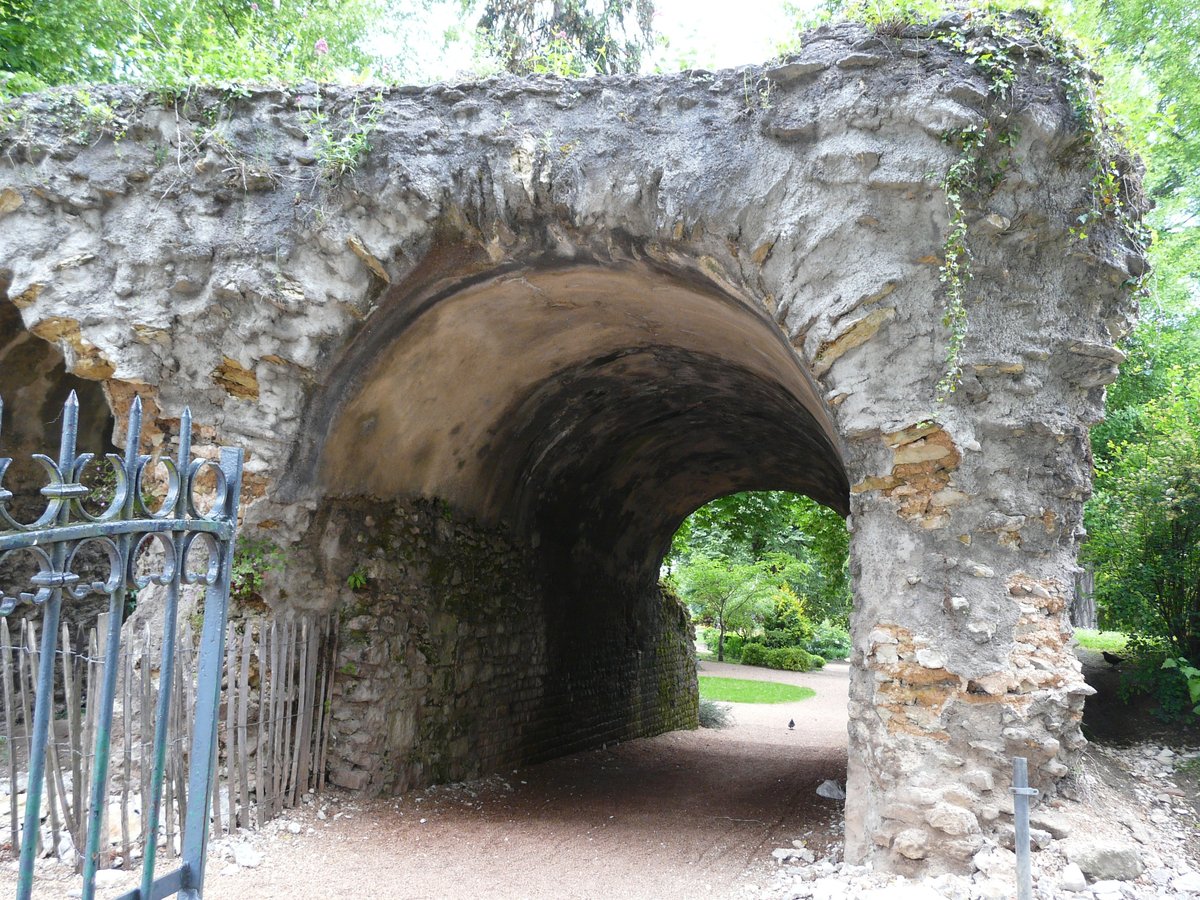
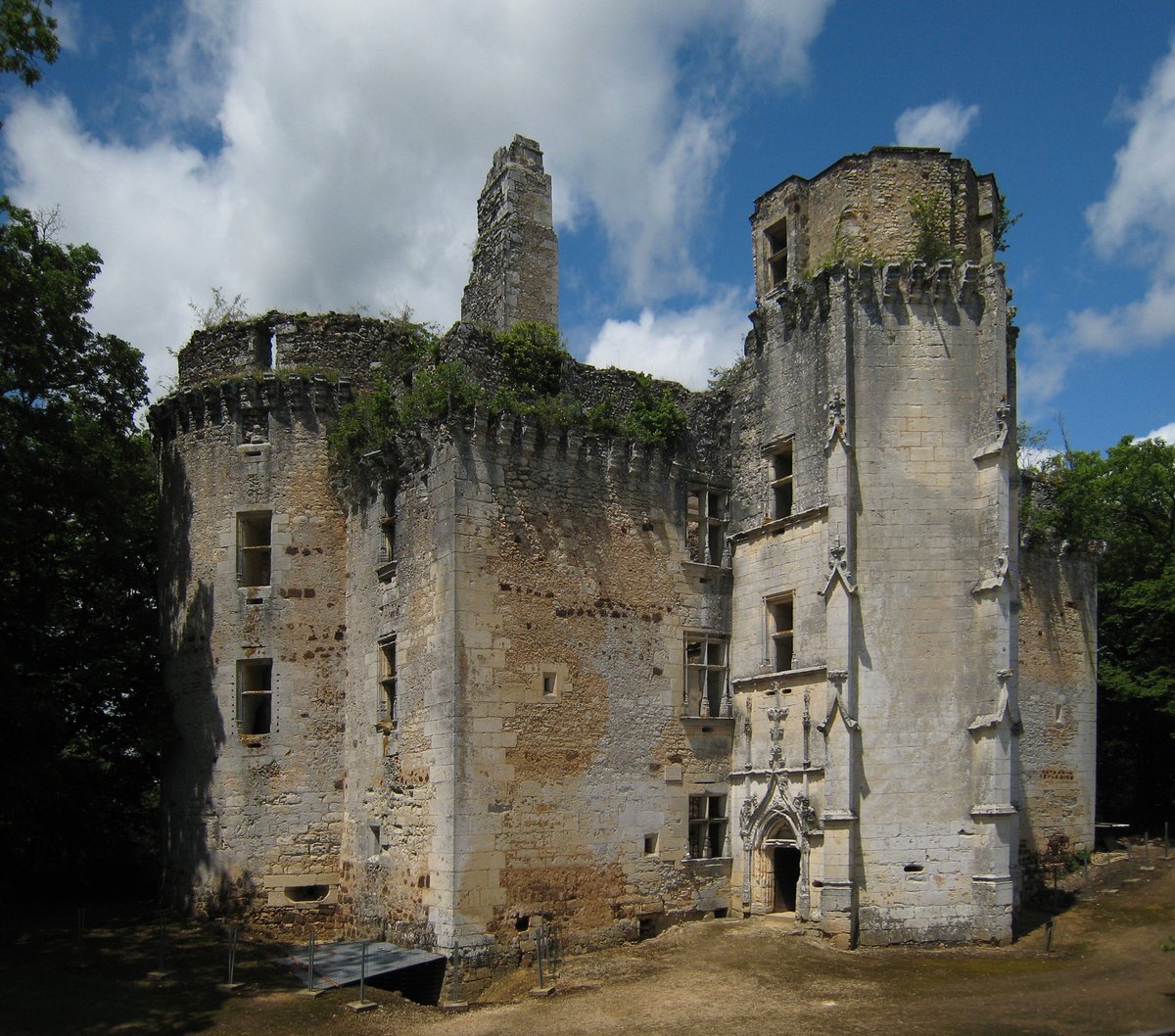
While the Roman cloister is poorly known, its galleries were simply timbered and covered with tiles in the 17th century. The chapter house retains parts of its elevation, showcasing high-quality masonry and sober sculpture, while the refectory remains mostly ruined. It is possible that the traditional western building never existed here, though rare eastern extensions to the choir are still preserved.
On the 12th of September, 1950, the ruins were classified as a historical monument. Since 1967, they have been owned by the State and transferred to the commune of Villars in 2007. Today, the site is managed with the support of the association Festivillars, which hosts cultural events like concerts and exhibitions.
Sources: Wikipedia, OpenStreetMap, Wikidata, Wikimedia Commons
Written by Nicolo Ciampini
Discuss this with the author and others
No comments yet. Be the first to start the conversation.