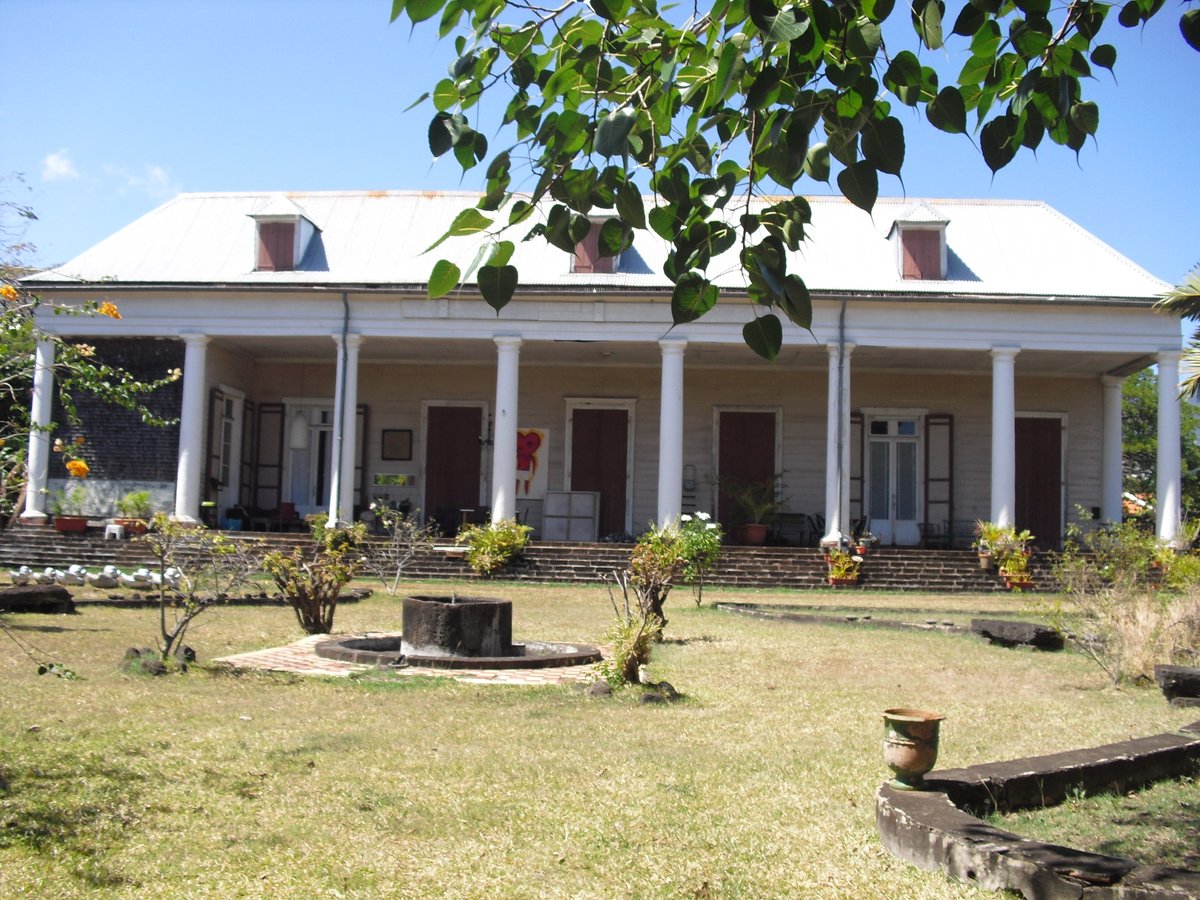

Near the lip of a yawning ravine, a great rock formation rests like a giant, overturned cauldron. This stone shadow gave its name to the Domaine du Chaudron, a land that witnessed the rise and fall of the sugar empire upon the island of Réunion.
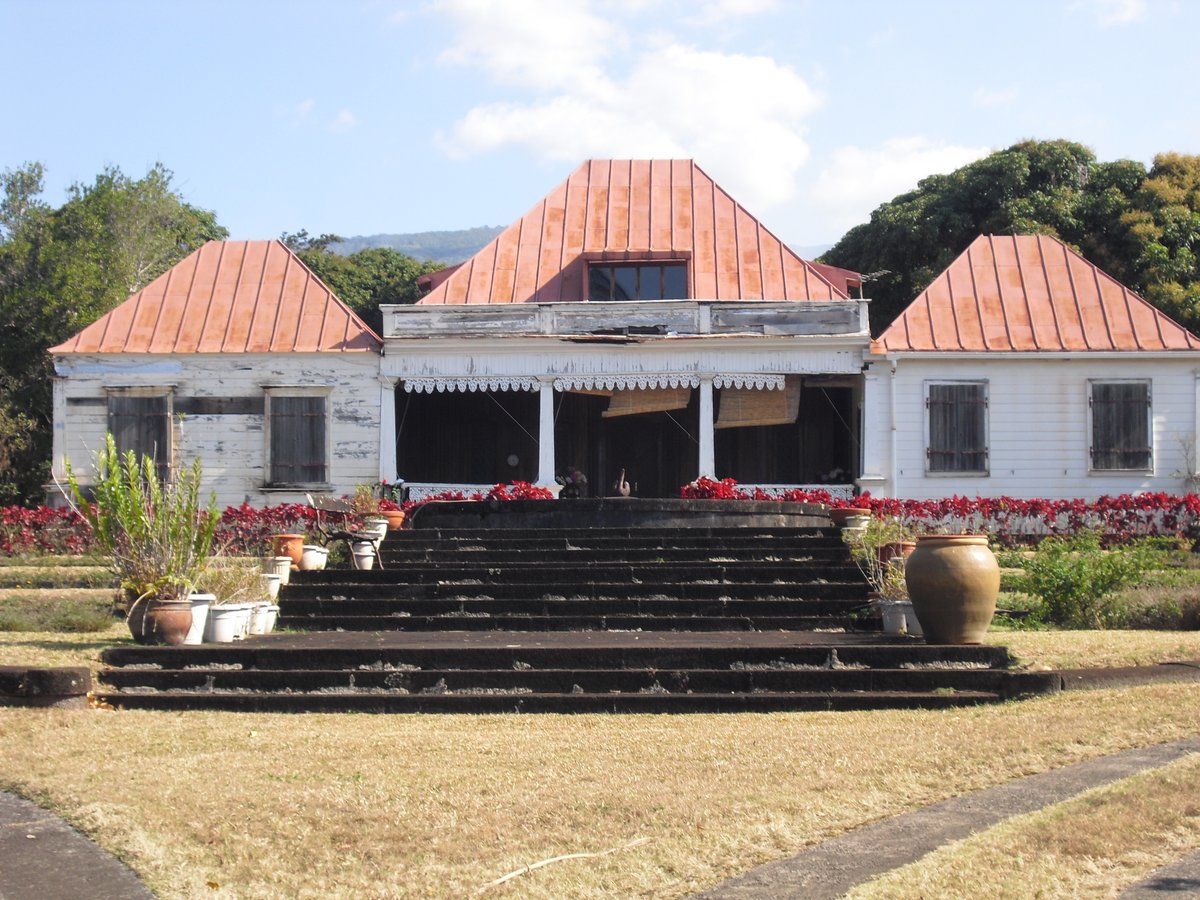
In 1815, the wealthy Charles Desbassayns raised the island's first sugar factory here. He ordered a mechanical iron mill and a fire pump to power production. By 1847, the earth was worked by 244 enslaved people. One woman, Toinette, endured this life, and her grave remains a silent mark of her existence within a zone reserved for the city's wealthy families.
As the seasons of history turned, the plantation shifted its face. The laws of the Republic ended slavery in 1848, yet the masters were paid in gold for the loss of their human property. The labor moved to workers from Madagascar and other regions. But the sugar market crumbled as the Suez Canal opened, and the factory eventually fell into a hollow silence.
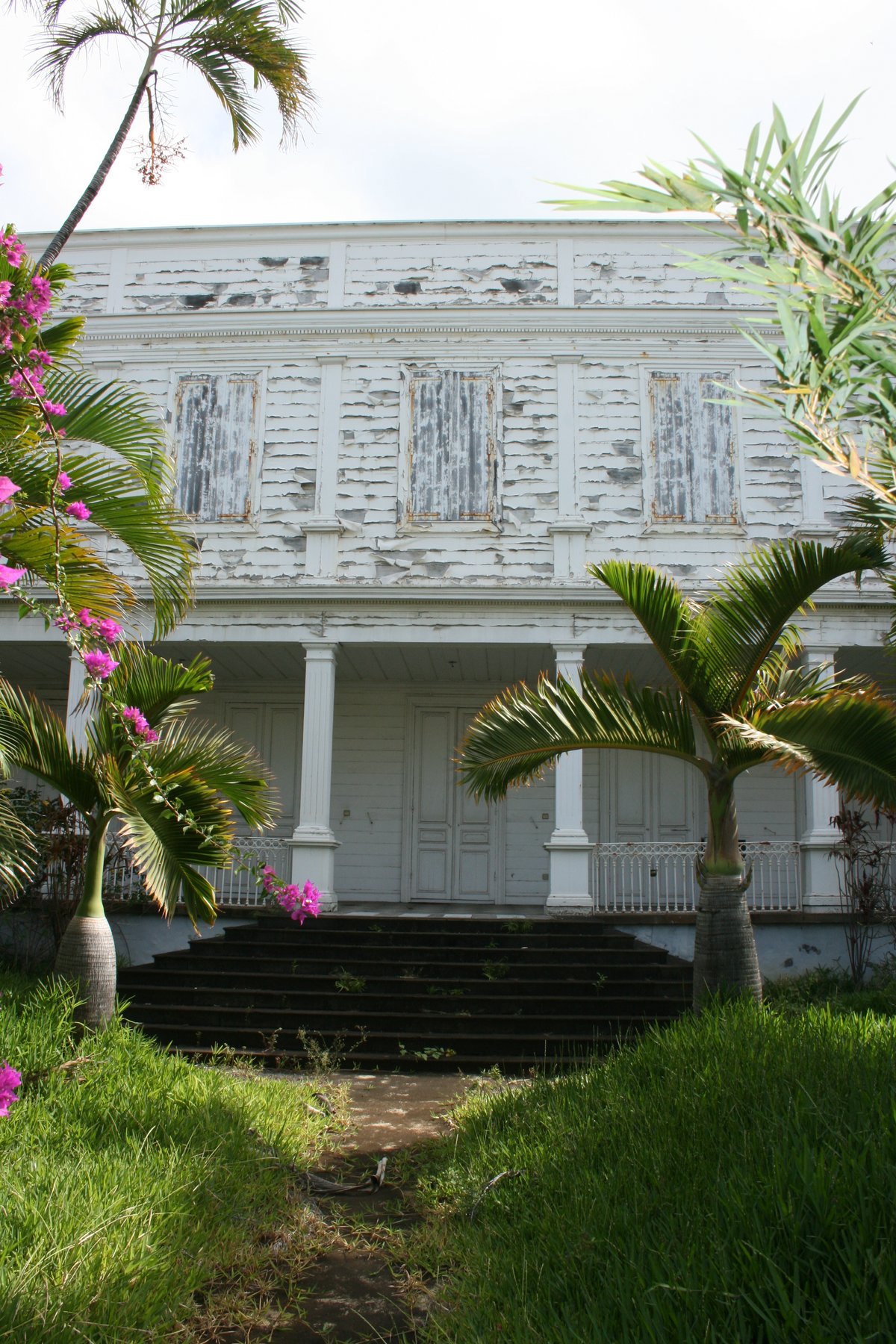
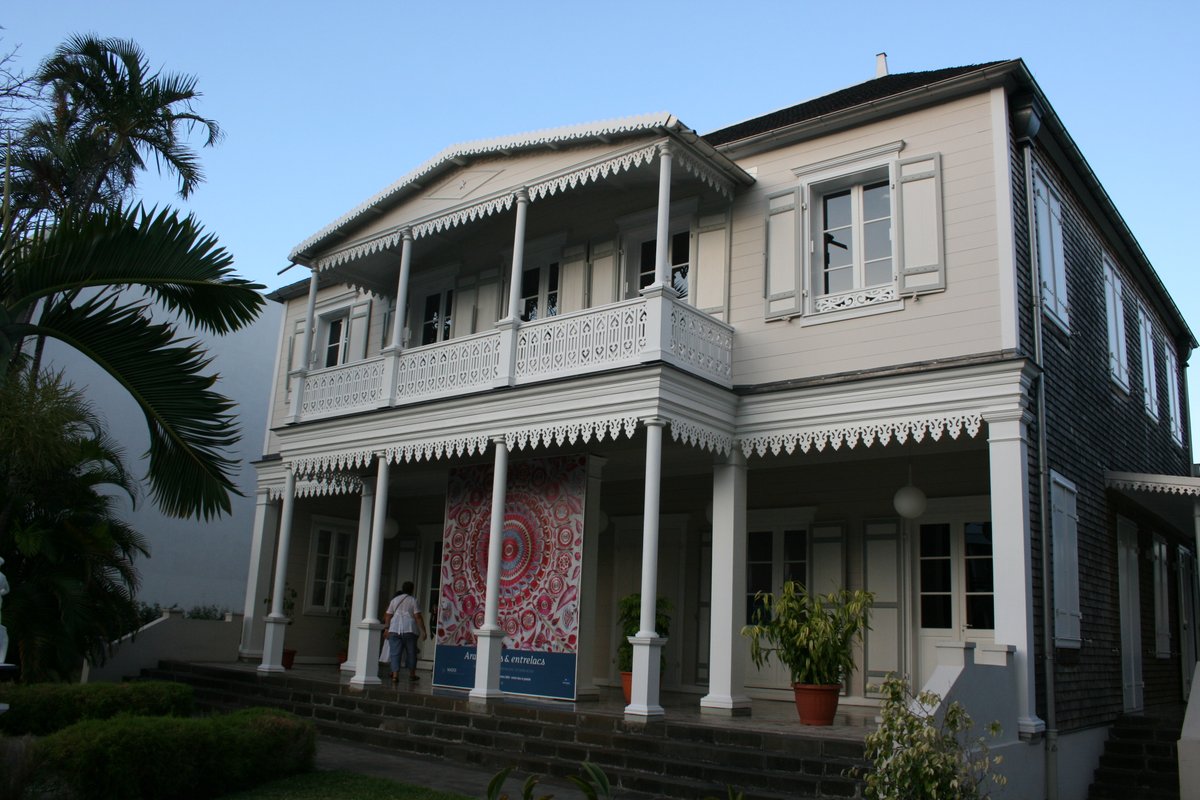
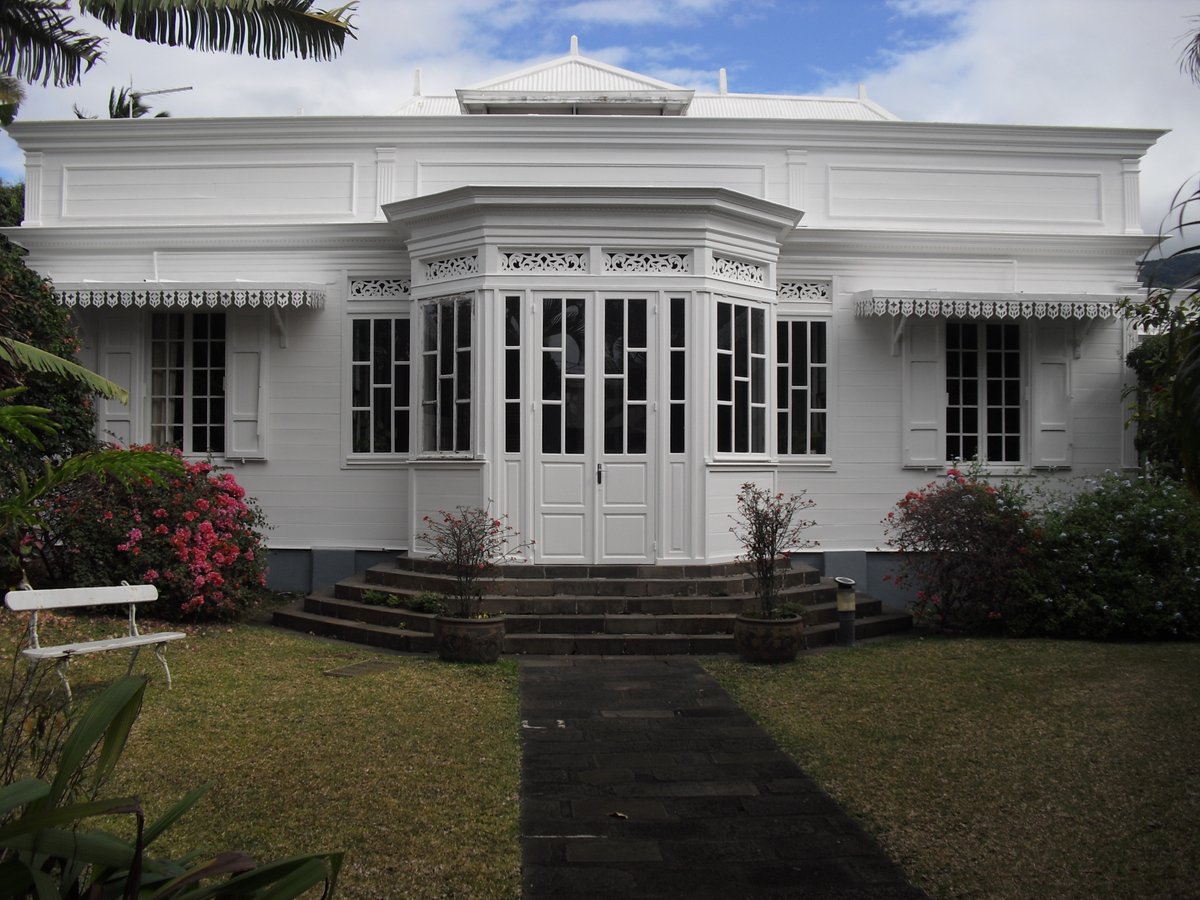
Today, the tale of the house is written in ash. The main manor, a historic monument since 1981, was consumed by a fire in 2024. Only the memory of the furnace and the shape of the ravine remain.
Sources: Wikipedia, OpenStreetMap, Wikidata, Wikimedia Commons
Written by Mutabor
Discuss this with the author and others
No comments yet. Be the first to start the conversation.