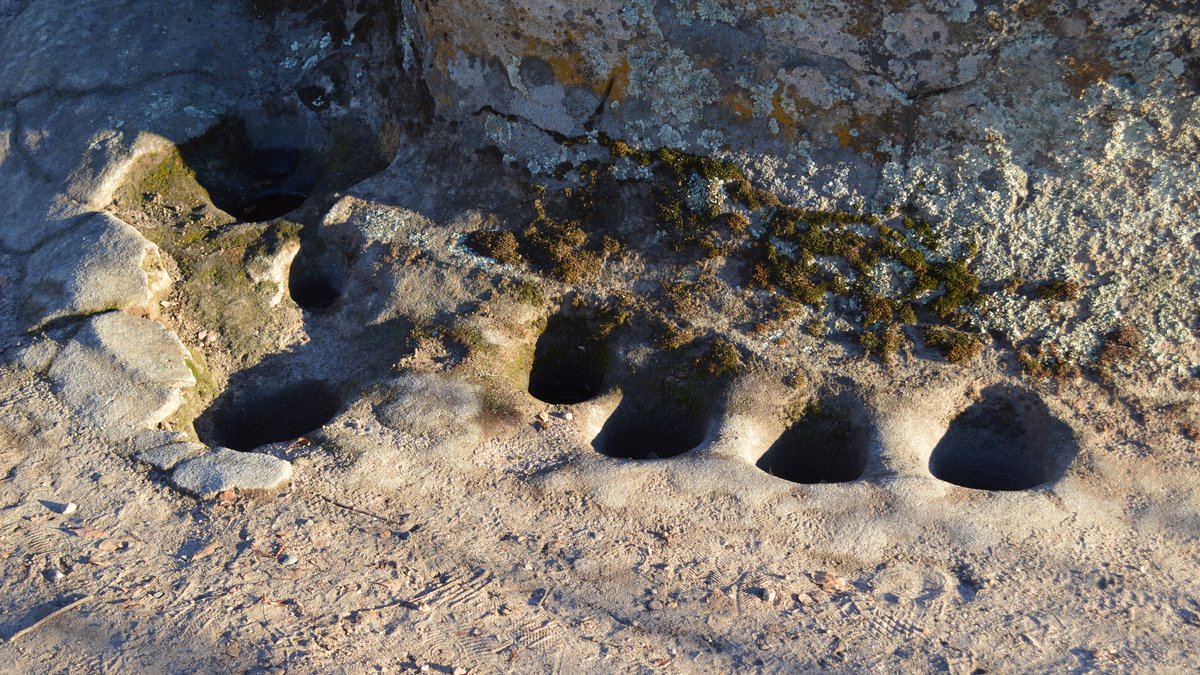
After 3,000 years of accumulation, a vast midden area serves as evidence of thousands of years of residence. The Nisenan Maidu families lived on this site for three millennia, leaving behind hundreds of bedrock mortar holes and petroglyphs on sandstone boulders.
The City of Roseville purchased the site in 1993 and added it to Maidu Regional Park. The site was listed on the National Register of Historic Places under the name Strap Ravine Nisenan Maidu Indian Site in 1993. Initial planning for a 7,200 square foot museum building began in 1993, and the City of Roseville approved those plans in 1995. In 2008, the museum received a $150,000 grant from the Institute of Museum and Library Services to develop exhibits about Maidu traditions and family life.
Development of the museum was led by Nisenan elder Hickey Murray, Roseville resident Myron Zents, and Ed Mahany, director of Roseville public parks. The museum opened in 2010. It serves as a resource to help preserve endangered Maidu languages and to help bring traditional Maidu foods and foraged edible plants to the public.
Today, you can walk the hiking trails of Maidu Regional Park and enter the museum to see the permanent exhibits. It serves as a center for cultural preservation for Maidu people and education about the Maidu for the entire community.
Sources: Wikipedia, OpenStreetMap, Wikidata, Wikimedia Commons
Written by Kyle McLonely
Discuss this with the author and others
No comments yet. Be the first to start the conversation.