
Curtain "Mushroom"
P98Q+PQ Pushkinsky District, Saint Petersburg, Russia
Imperial Parks of Tsarskoye Selo: Alexander Park Jermaine
 Для просмотра
At the very beginning of the 18th century, on the site of Alexander Park, there was a square plot of forest enclosed by a stone wall, intended for imperial hunting. It was called the Menagerie, and Catherine I also enjoyed hunting here. Wild animals lived here – foxes, hares, wild boars. Later, during the reign of Elizabeth Petrovna, the park was landscaped and divided into four equal square sections, similar to formal French gardens. During the reign of Catherine the Great, new territories were added to the park. In 1792, architect Giuseppe Quarenghi began construction of a large palace in Tsarskoye Selo, later named the Alexander Palace. In the 1810s–1820s, the Menagerie, having lost its hunting purpose by that time, was transformed into an extensive landscape park. Here were located a small royal farm, pavilions for llamas and elephants, the building of the Retired Stables for horses that once served the royal family. Three large structures were also built in the landscape part of the park: Montbijou, intended to house a collection of weapons and military armor and called the Arsenal; an artificial Gothic-style ruin – the Chapel; and the White Tower. The greenhouses of the "Upper Garden" in the landscape part of Alexander Park are the only park greenhouses still existing on the site they occupied at the beginning of the 18th century, though they changed their appearance as a result of reconstructions in the early 19th century. The layout of the complex resembles the French fruit gardens of the Louis XIV era. At the beginning of the 20th century, the northeastern territory of Alexander Park, stretching from the Alexander Palace to the Egyptian Gates, was built up. Here the Fedorovsky Town emerged. Sources: https://www.tzar.ru/objects/alexandrovskypark https://pushkin.spb.ru/encycl/parks/aleksandrovskiy-park.html
Jermaine P98Q+PQ Pushkinsky District, Saint Petersburg, Russia
Imperial Parks of Tsarskoye Selo: Alexander Park Jermaine 
P99Q+Q9 Pushkinsky District, Saint Petersburg, Russia
Imperial Parks of Tsarskoye Selo: Alexander Park Jermaine 
Dragon Bridge, Podkaprizovaya Road, Saint Petersburg, Russia, 196605
Imperial Parks of Tsarskoye Selo: Alexander Park Jermaine 
P99P+4G Pushkinsky District, Saint Petersburg, Russia
Imperial Parks of Tsarskoye Selo: Alexander Park Jermaine 
Big Chinese Bridge, Sadovaya St., Saint Petersburg, Russia, 196601
Imperial Parks of Tsarskoye Selo: Alexander Park Jermaine 
Krestovy Bridge, Podkaprizovaya Road, Saint Petersburg, Russia, 196601
Imperial Parks of Tsarskoye Selo: Alexander Park Jermaine 
P98P+JM Pushkinsky District, Saint Petersburg, Russia
Imperial Parks of Tsarskoye Selo: Alexander Park Jermaine 
Sadovaya St., 7a, Saint Petersburg, Russia, 196601
Imperial Parks of Tsarskoye Selo: Alexander Park Jermaine 
Bolshoy Kapriz, Podkaprizovaya Road, Saint Petersburg, Russia, 196603
Imperial Parks of Tsarskoye Selo: Alexander Park Jermaine 
Sadovaya St., 7, Saint Petersburg, Russia, 196605
Imperial Parks of Tsarskoye Selo: Alexander Park Jermaine 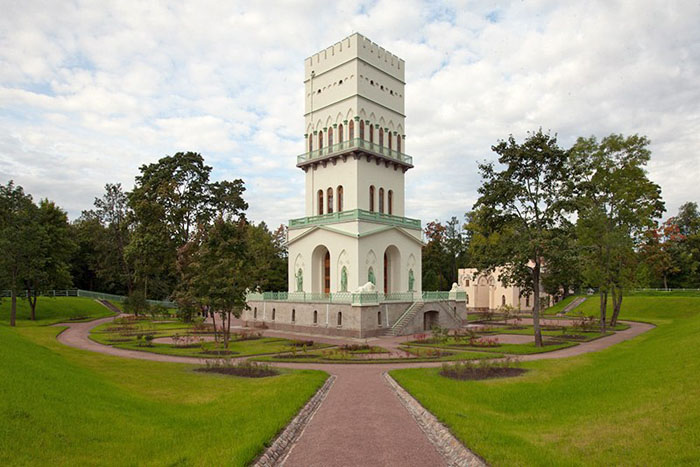
P9FR+C3 Pushkinsky District, Saint Petersburg, Russia
Imperial Parks of Tsarskoye Selo: Alexander Park Jermaine 
P9CQ+CM Pushkinsky District, Saint Petersburg, Russia
Imperial Parks of Tsarskoye Selo: Alexander Park Jermaine 
Alexander Park / Alexandrovsky Park, Saint Petersburg, Russia, 196605
Imperial Parks of Tsarskoye Selo: Alexander Park Jermaine 
Fermskaya Road, 6, Saint Petersburg, Russia, 196605
Imperial Parks of Tsarskoye Selo: Alexander Park Jermaine 
Fermskaya Road, 5a, Saint Petersburg, Russia, 196605
Imperial Parks of Tsarskoye Selo: Alexander Park Jermaine 
Alexander Park / Alexandrovsky Park, Saint Petersburg, Russia, 196605
Imperial Parks of Tsarskoye Selo: Alexander Park Jermaine 
Alexander Park / Alexandrovsky Park, Saint Petersburg, Russia, 196605
Imperial Parks of Tsarskoye Selo: Alexander Park Jermaine 
P98H+4X Pushkinsky District, Saint Petersburg, Russia
Imperial Parks of Tsarskoye Selo: Alexander Park Jermaine 
P9FC+PM Pushkinsky District, Saint Petersburg, Russia
Imperial Parks of Tsarskoye Selo: Alexander Park Jermaine 
Akademicheskiy Ave, 18, Saint Petersburg, Leningradskaya, Russia, 196607
Imperial Parks of Tsarskoye Selo: Alexander Park Jermaine 
Sadovaya St., 7, Saint Petersburg, Russia, 196605
Imperial Parks of Tsarskoye Selo: Alexander Park Jermaine 

Alexandrovsky Park, Dvortsovaya St., 2, Saint Petersburg, Russia, 196601
Imperial Parks of Tsarskoye Selo: Alexander Park Jermaine 
P9C8+6J Pushkinsky District, Saint Petersburg, Russia
Imperial Parks of Tsarskoye Selo: Alexander Park Jermaine 
Akademicheskiy Ave., 34, Saint Petersburg, Russia, 196607
Imperial Parks of Tsarskoye Selo: Alexander Park Jermaine