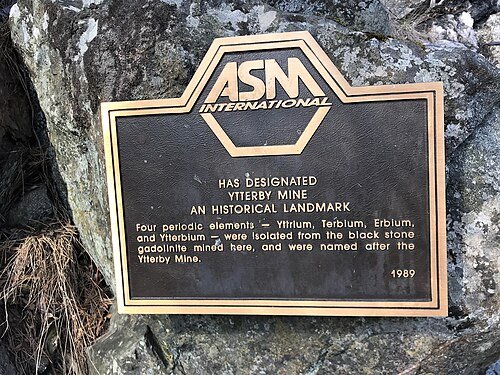

Ytterby, a small island within Vaxholm Municipality, is where eight chemical elements were first identified. In 1805, Swedish mineralogist Baron Carl Axel von Näslund discovered yttrium, a mineral later named after the village. This discovery launched Ytterby’s reputation as a geological oddity. The island’s unique mineral deposits have since revealed elements like erbium, terbium, and gadolinium, all named after the place. The full list includes yttrium, ytterbium, terbium, erbium, gadolinium, holmium, thulium, and dysprosium - eight elements tied to this unassuming island. The mine is now sealed, but it still exists and there is a sealed main entry from above where visitors are welcome (you can even measure the radiation levels from uranium and thorium), and there is a sealed entrance on the see level where vessels landed to fill up the underground quarry with reserve fuel for aircraft.
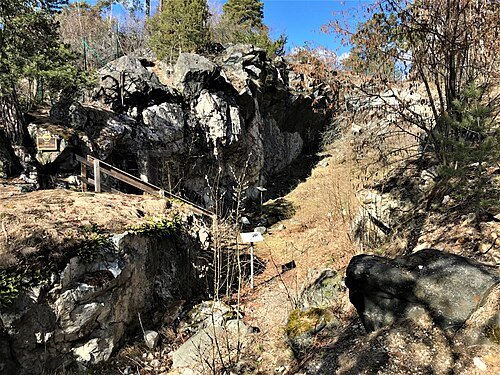
The municipality’s archipelago setting - 64 islands and islets - adds to its offbeat charm. While tourism now connects the islands via bridges and boats, Ytterby’s scientific legacy remains largely untouched. Visitors can still walk the same paths Näslund once explored, where the earth’s secrets were first uncovered.
Sources: Wikipedia, Wikipedia, Wikidata, Wikimedia Commons
Written by Nik Frost
Discuss this with the author and others
No comments yet. Be the first to start the conversation.