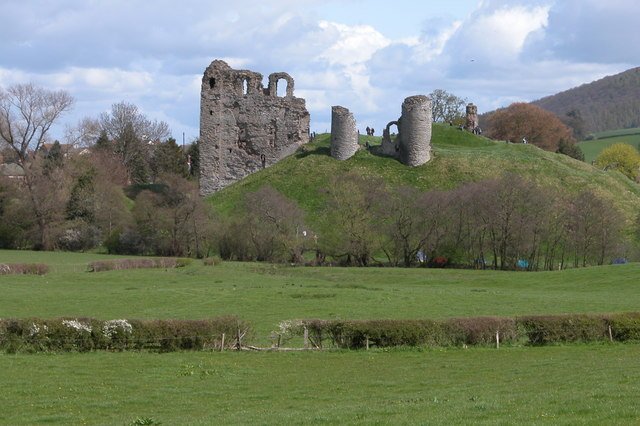

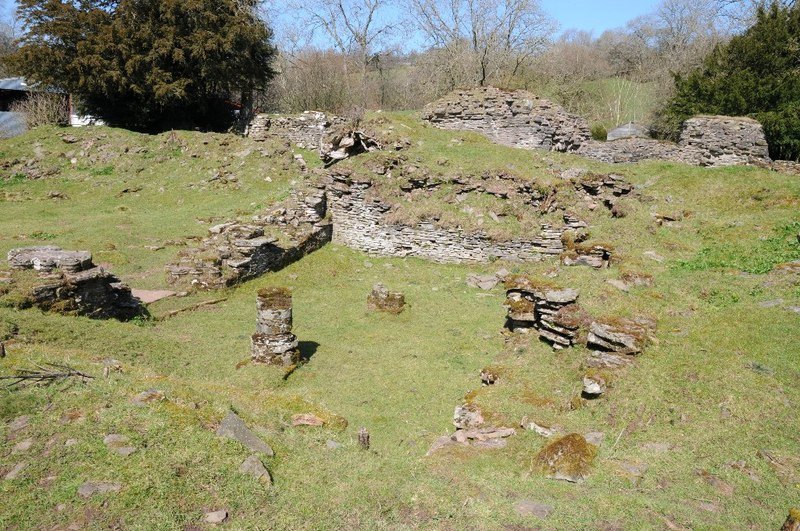
Nestled in Clun, Shropshire, England, lie the ruins of Clun Castle, with history weaving back to the Norman conquest. The fortress was established by the Norman lord Robert de Say, who built a substantial motte castle with two baileys. Until 1102, Robert held the castle and district from the Earl of Shrewsbury, after which he and his descendants held the castle directly from the Crown.
The castle served as an important Marcher lord castle for many years, owned for a considerable amount of time by the Fitzalan family. It played a key part in protecting the region from Welsh attack until it was gradually abandoned in favour of the more luxurious Arundel Castle. In the 14th century, the Fitzalans transformed Clun Castle into a hunting lodge complete with pleasure gardens. The rectangular great keep, towering 80 feet tall, was built as a compromise between security and comfort - the building has relatively few arrowslits and could easily have been undermined.
Today, Clun Castle is a Scheduled Monument and a Grade I listed building. It is owned by the Duke of Norfolk, who also holds the title of Baron Clun, and is managed by English Heritage.
Sources: Wikipedia, OpenStreetMap, Wikidata, Wikimedia Commons
Written by Nicolo Ciampini
Discuss this with the author and others
No comments yet. Be the first to start the conversation.