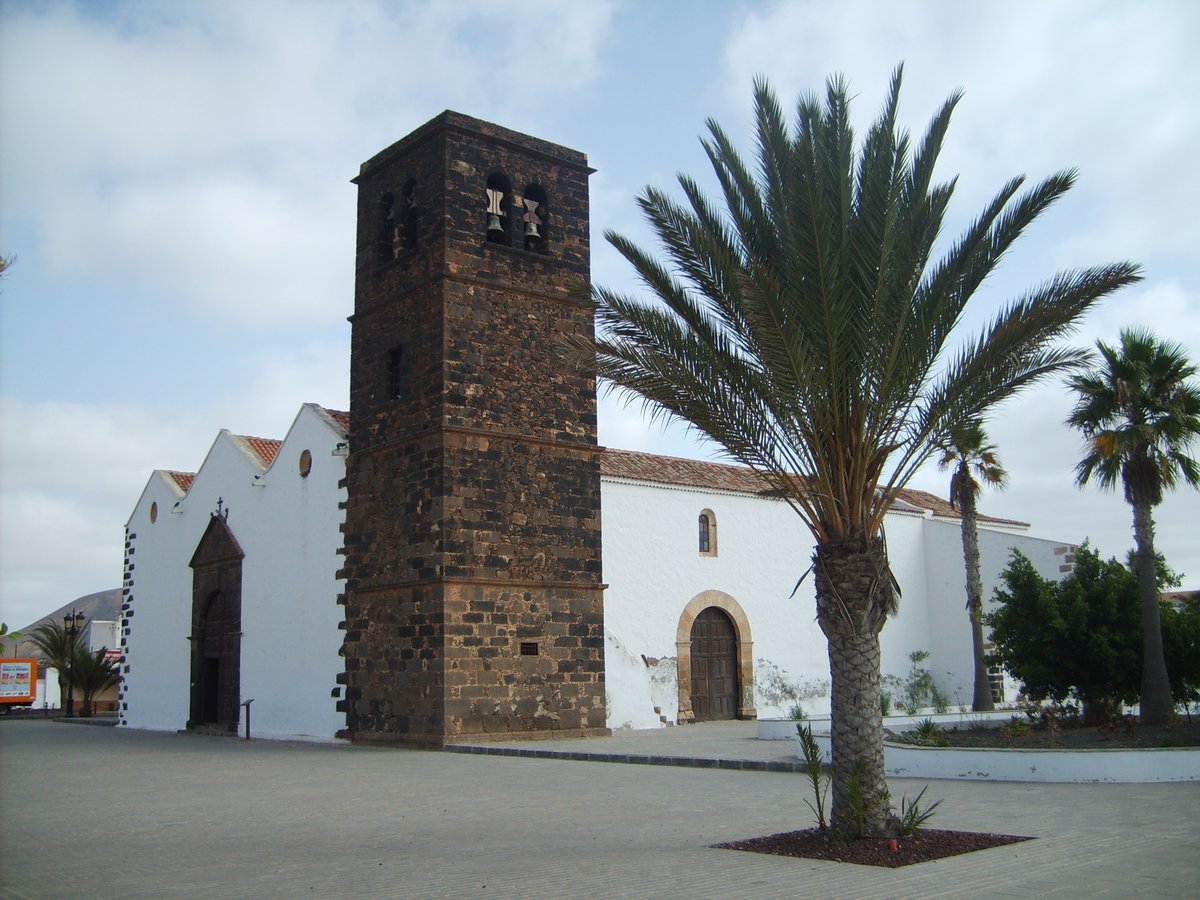

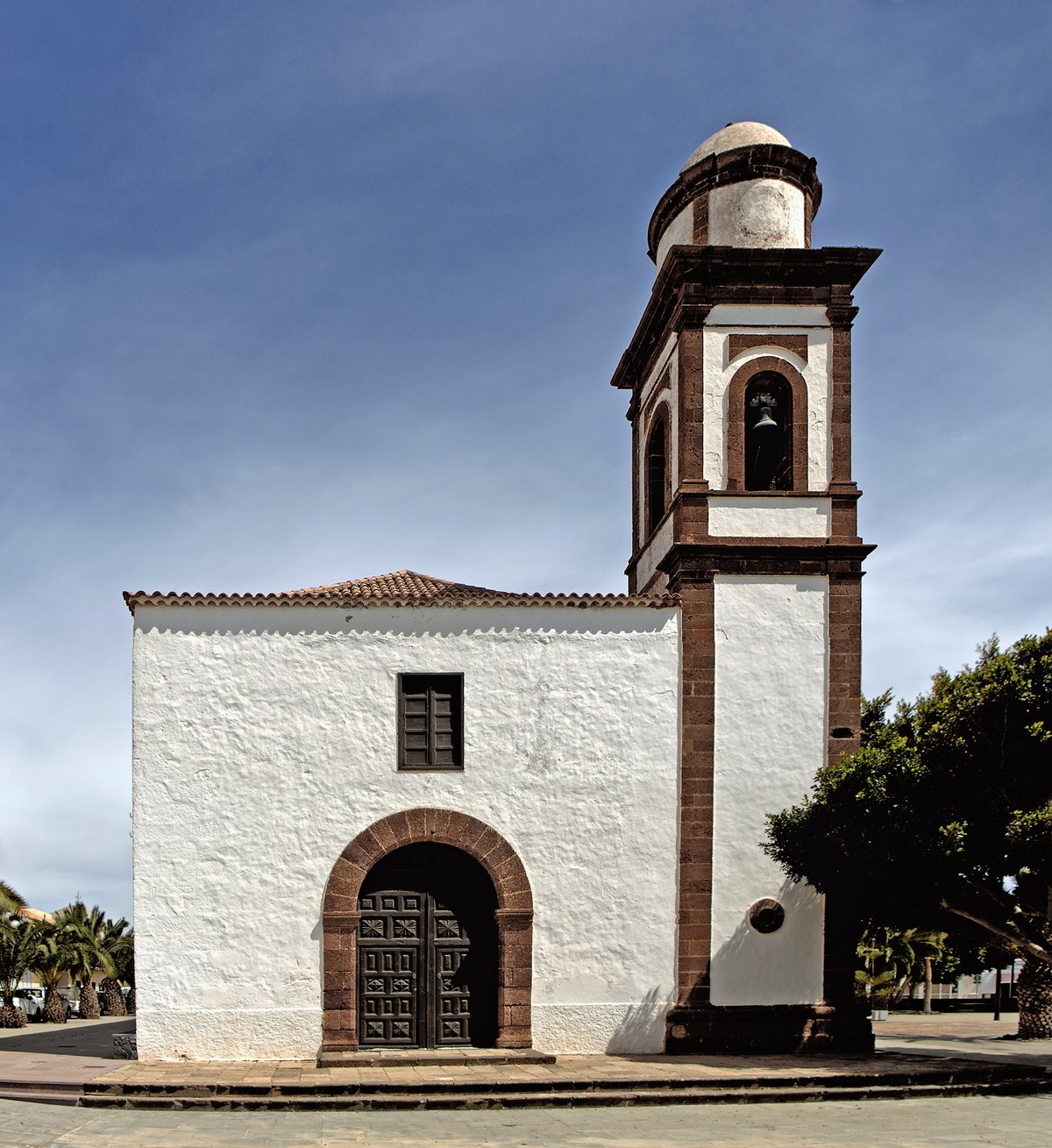
Step foot in the Iglesia de Nuestra Señora de la Candelaria and find a building featuring the peculiar forms of local architecture. Started in the closing years of the 16th century, this mudéjar work consists of three naves with respective chapels and gable roofs. The exterior is enjalbegado, except for the espadaña on the left side of the facade, which is made of so-called "molinera" stone.
The interior of the building houses an interesting collection of movable assets. Among these, the altarpiece of the Retablo Mayor stands out, a work by one of the best Baroque painters of the island, Juan de Miranda Cejas. Throughout its long history as a place of worship, this temple has had a direct relationship with the Cabrera family, a lineage of the island's colonels.
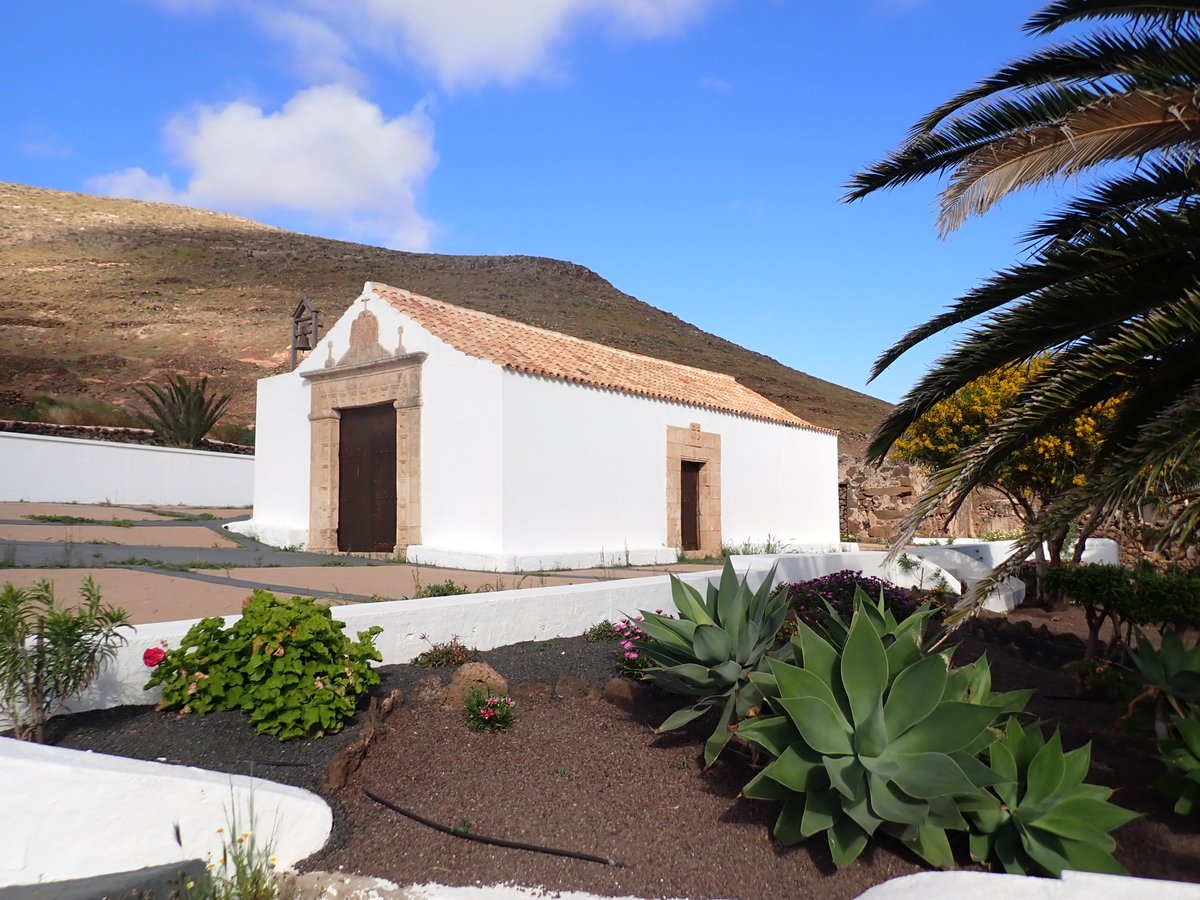
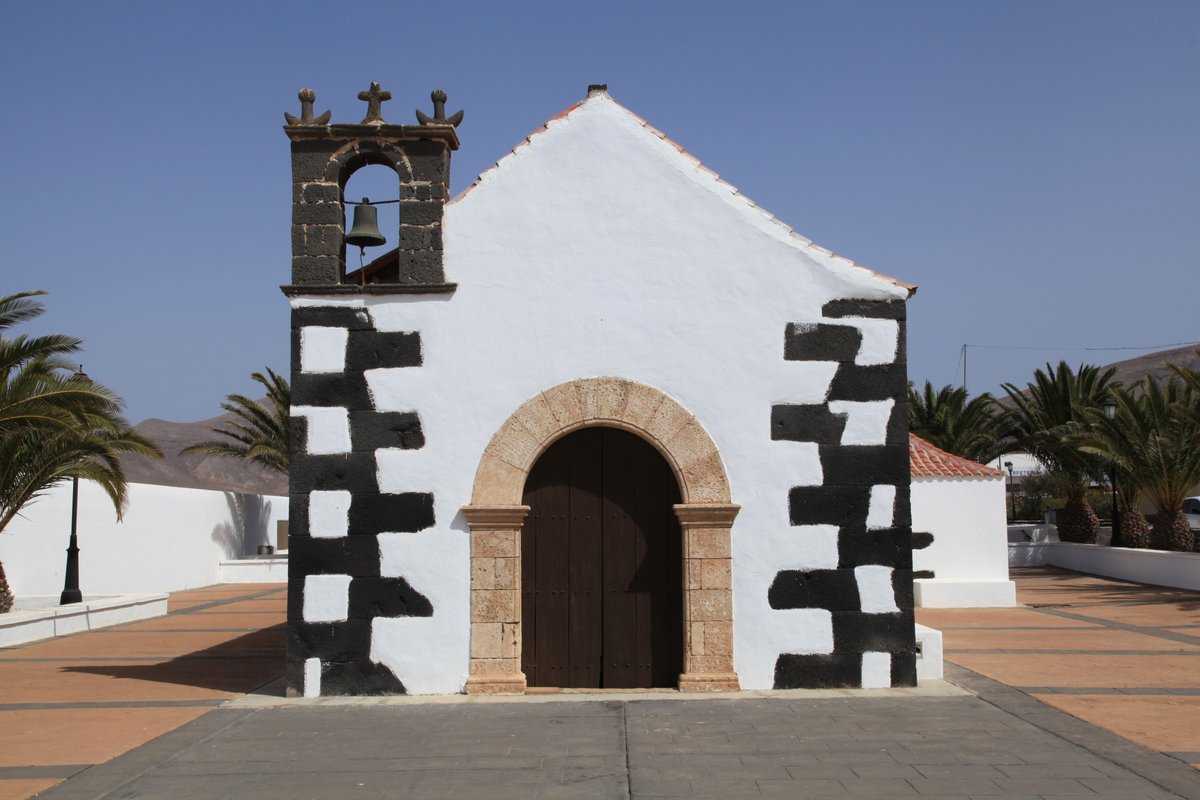
Declared a bien de interés cultural in 1993, the building features a floor of local stone slabs. The facade is adapted to the gable roof of the building and is centered by the main door with a semi-circular arch. A small sacristy is attached to the right side, featuring a hip roof and a door that connects directly with the plaza.
Sources: Wikipedia, OpenStreetMap, Wikidata, Wikimedia Commons


Written by Friendly Jane
Discuss this with the author and others
No comments yet. Be the first to start the conversation.