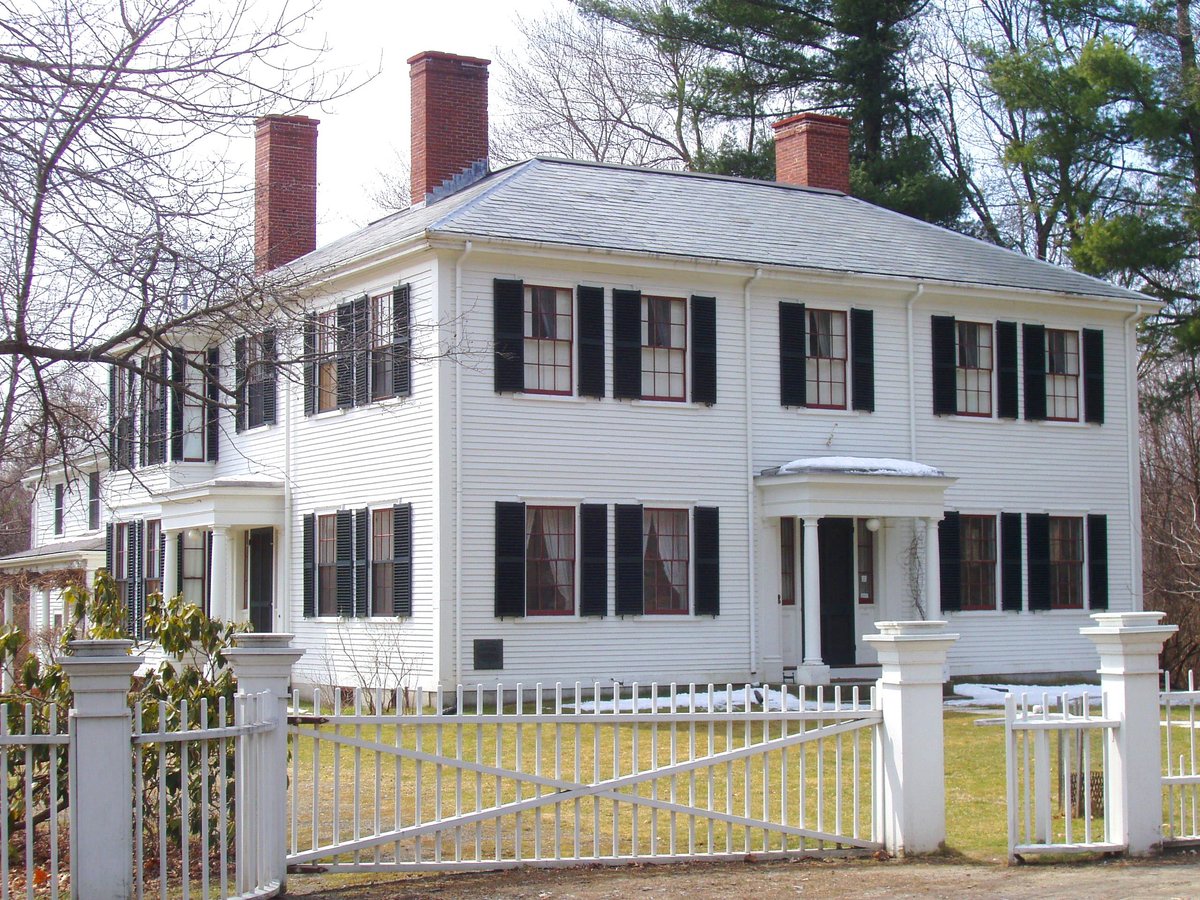
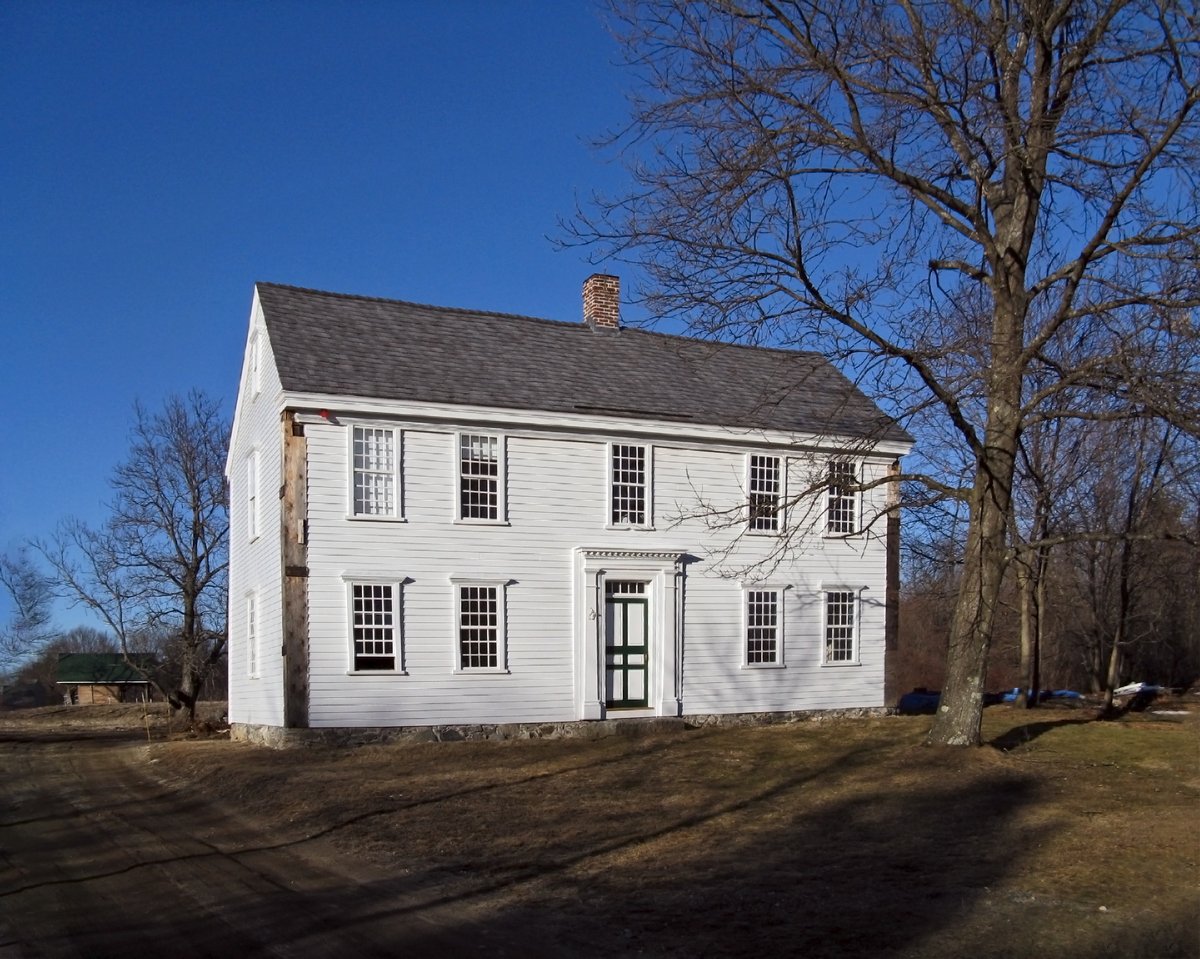
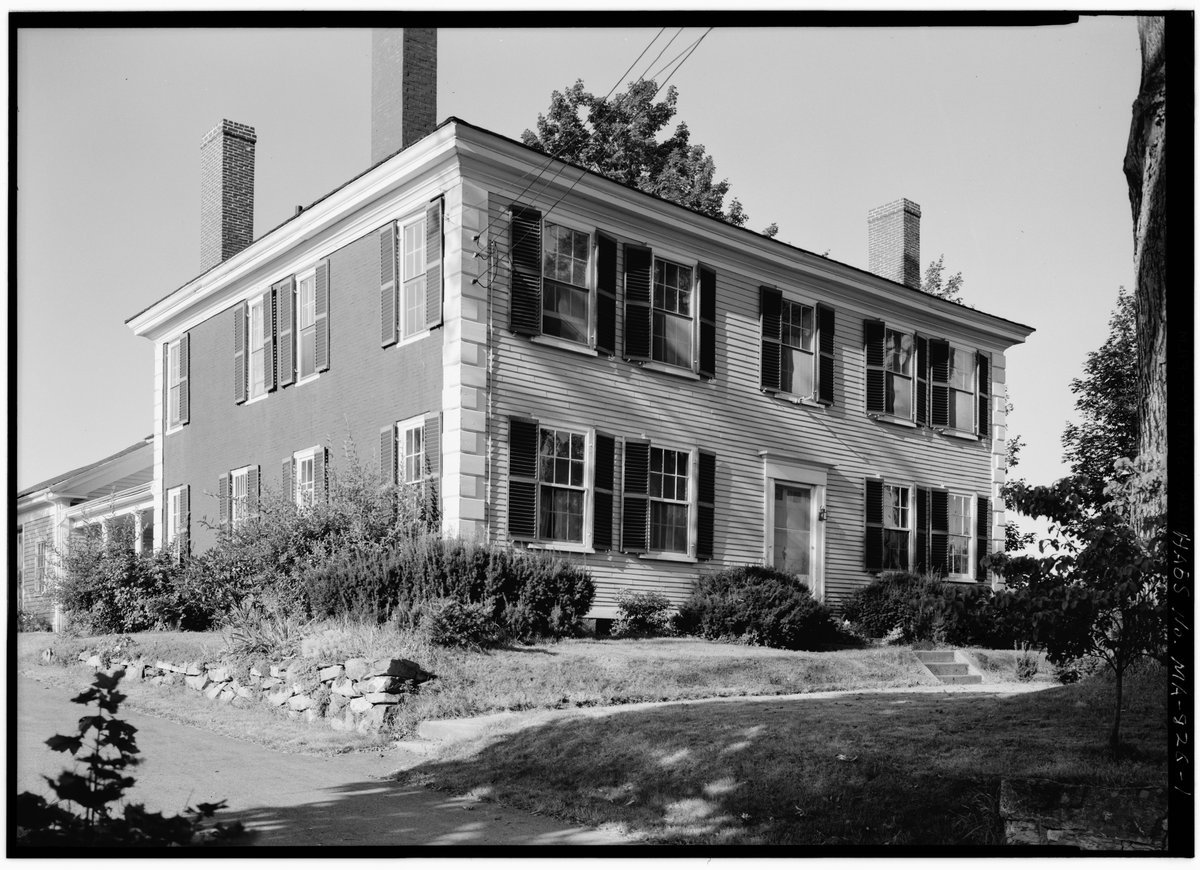
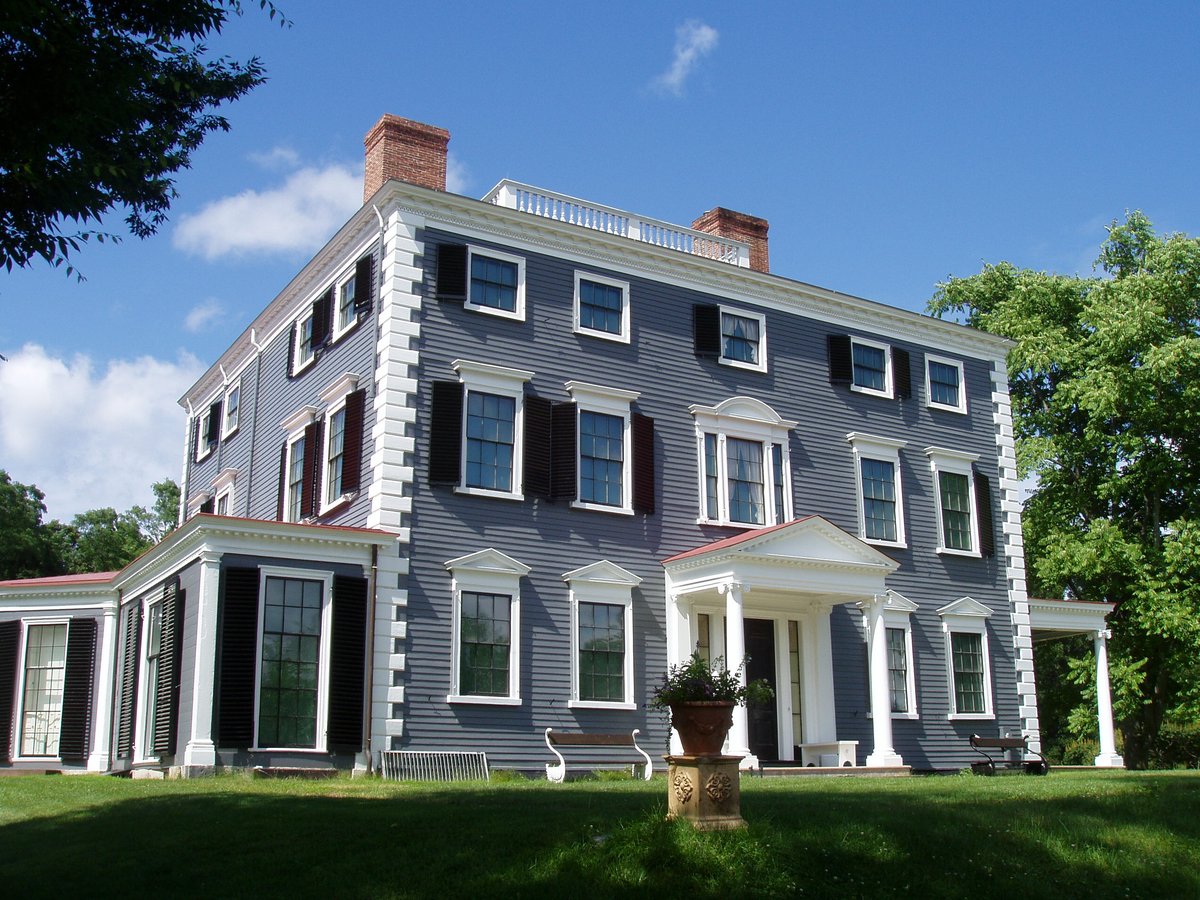
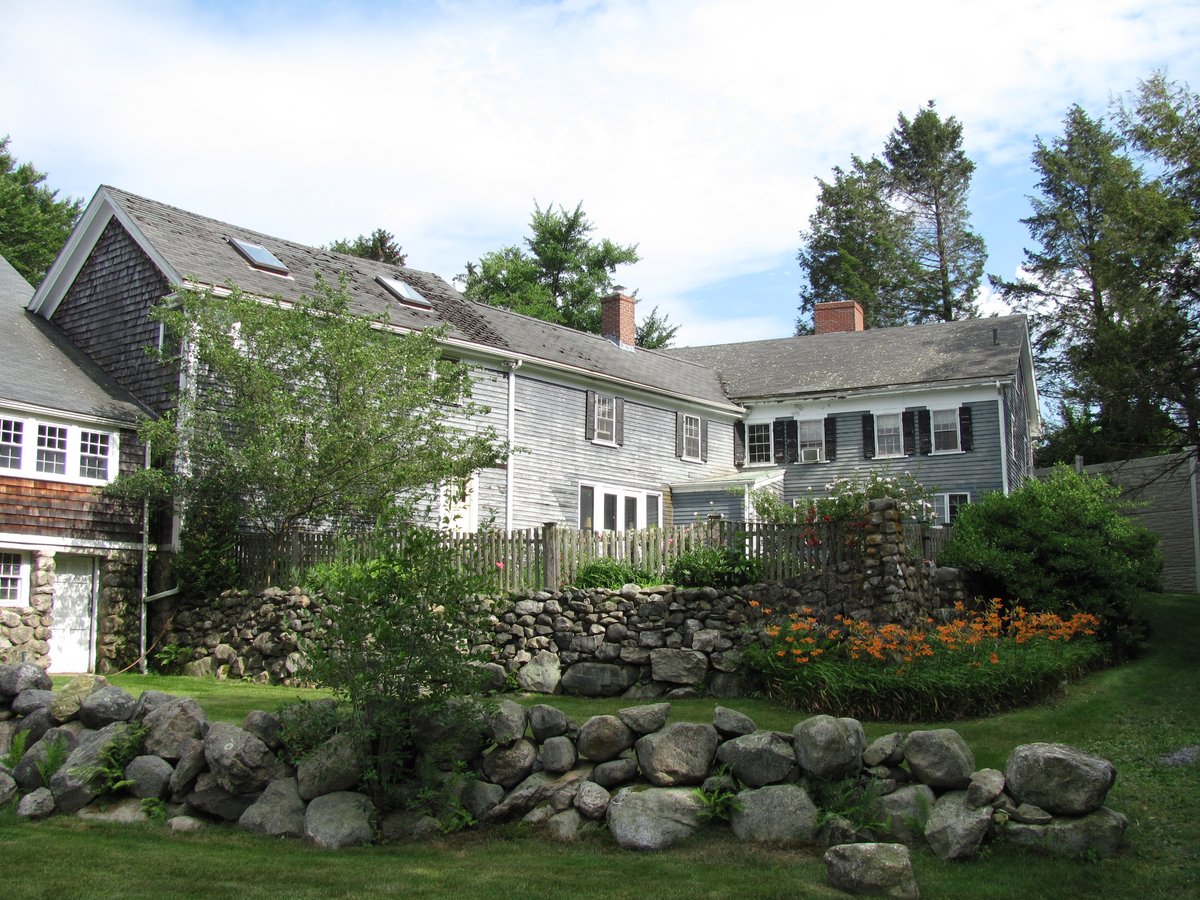
Emerson didn't want to live in Plymouth. He told his bride-to-be that the town was just "streets" and he preferred his "wide champaign." He settled on a two-story frame building called Coolidge Castle. It was a summer house on the outskirts of Concord, and Emerson admitted the place was in a mean location and needed flowers and trees to give it any character.
He bought the place in July 1835 for 3,500 dollars. He used money from a settlement with his first wife's family to spend between 400 and 500 dollars on enlargements and finishing. He wanted to crowd the home with so many books, papers, and wise friends that it would have as much wit as it could carry. It became a central meeting place for philosophers, idealists, and poets.
This is where he wrote his famous essays, including "Self Reliance," and hosted the Transcendental Club. He even hosted visitors such as Bronson and Louisa May Alcott, Margaret Fuller, and Henry David Thoreau. Thoreau moved into the house in April 1841 at Emerson's invitation and lived there until September 1847.
In 1872, the house caught fire, and Emerson ran out to call for help from neighbors. After the fire, friends raised 12,000 dollars in total to pay for repairs. While the house was being restored, the Emersons were sent to Europe and Egypt. They returned to reoccupy the house in 1873.
Today, the house is still owned by the family and is open as a seasonal museum. The interior furnishings remain much as they did when Emerson lived in the home, with original furniture and memorabilia on display. The furniture and books from his study are now on display in the Concord Museum.
Sources: Wikipedia, OpenStreetMap, Wikidata, Wikimedia Commons
Written by Kyle McLonely
Discuss this with the author and others
No comments yet. Be the first to start the conversation.