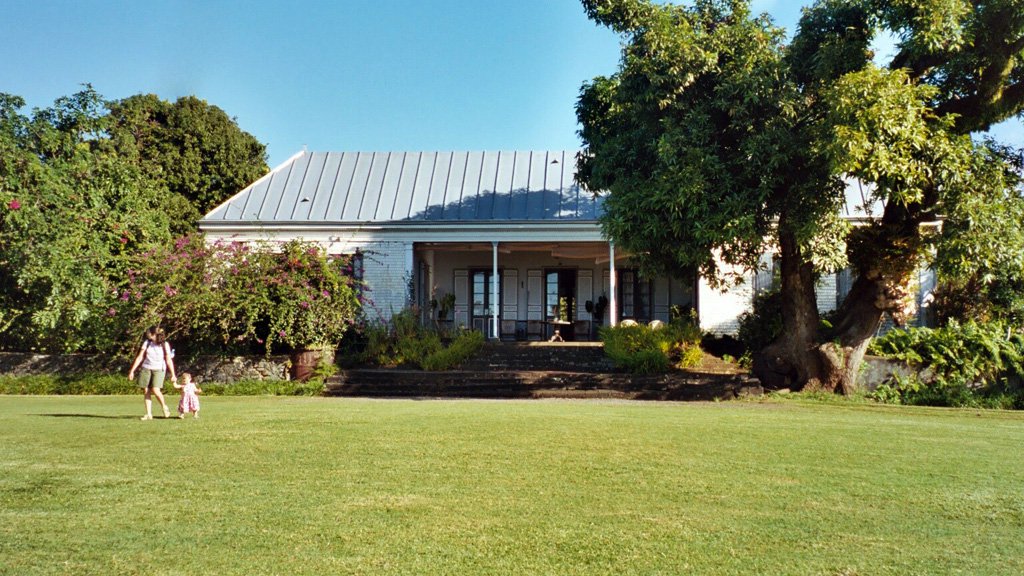

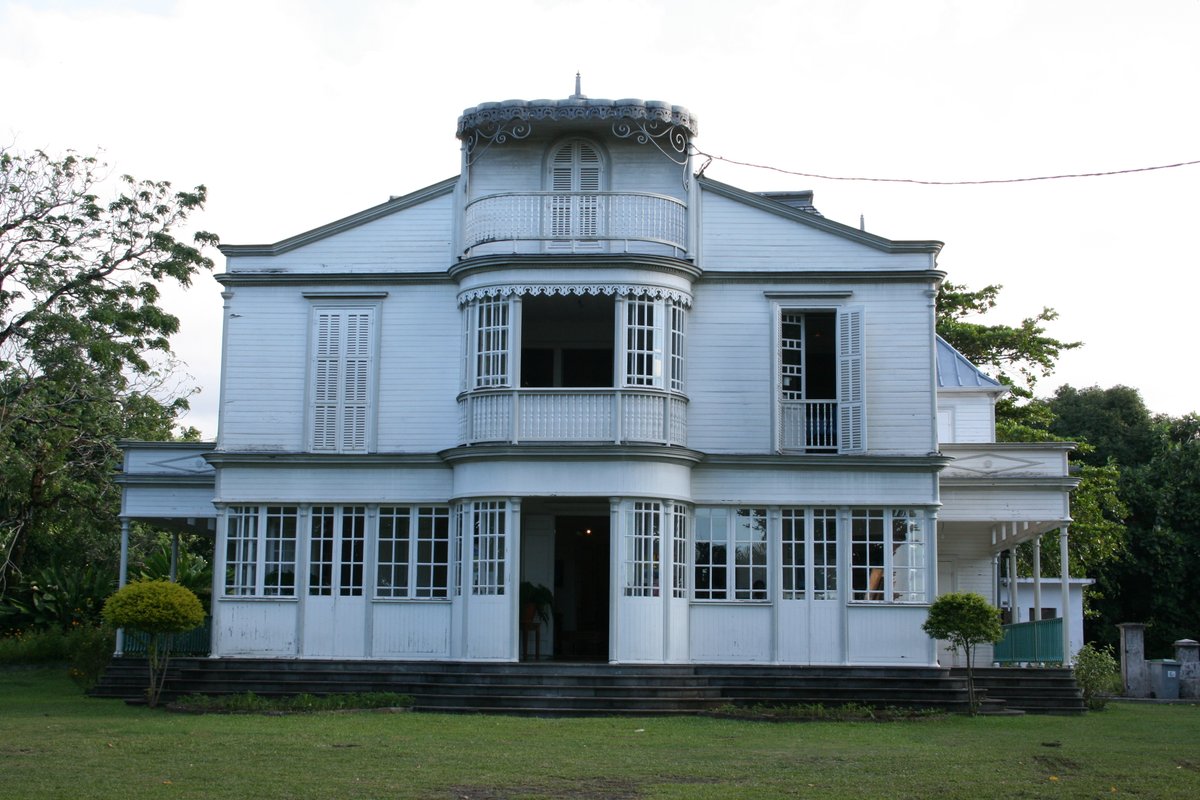
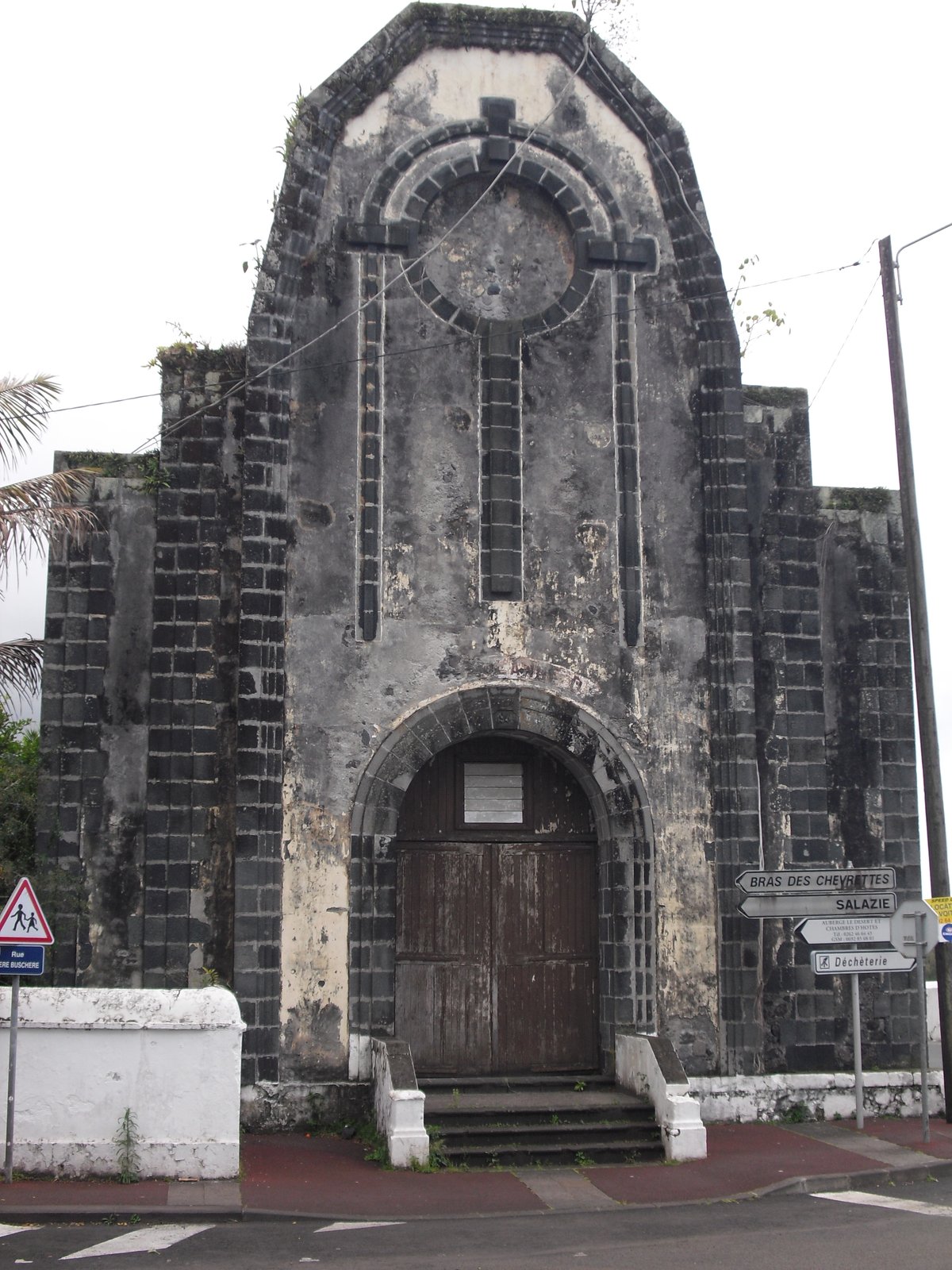
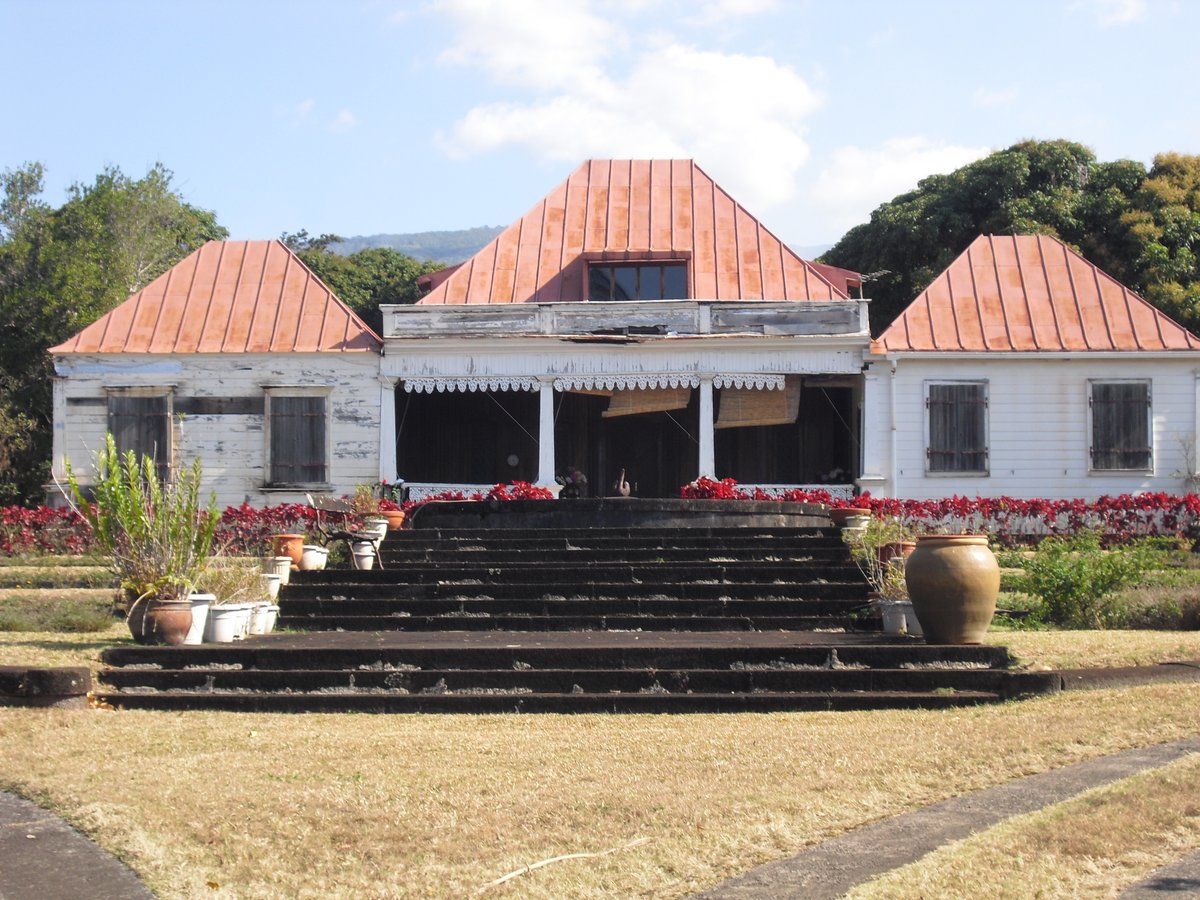
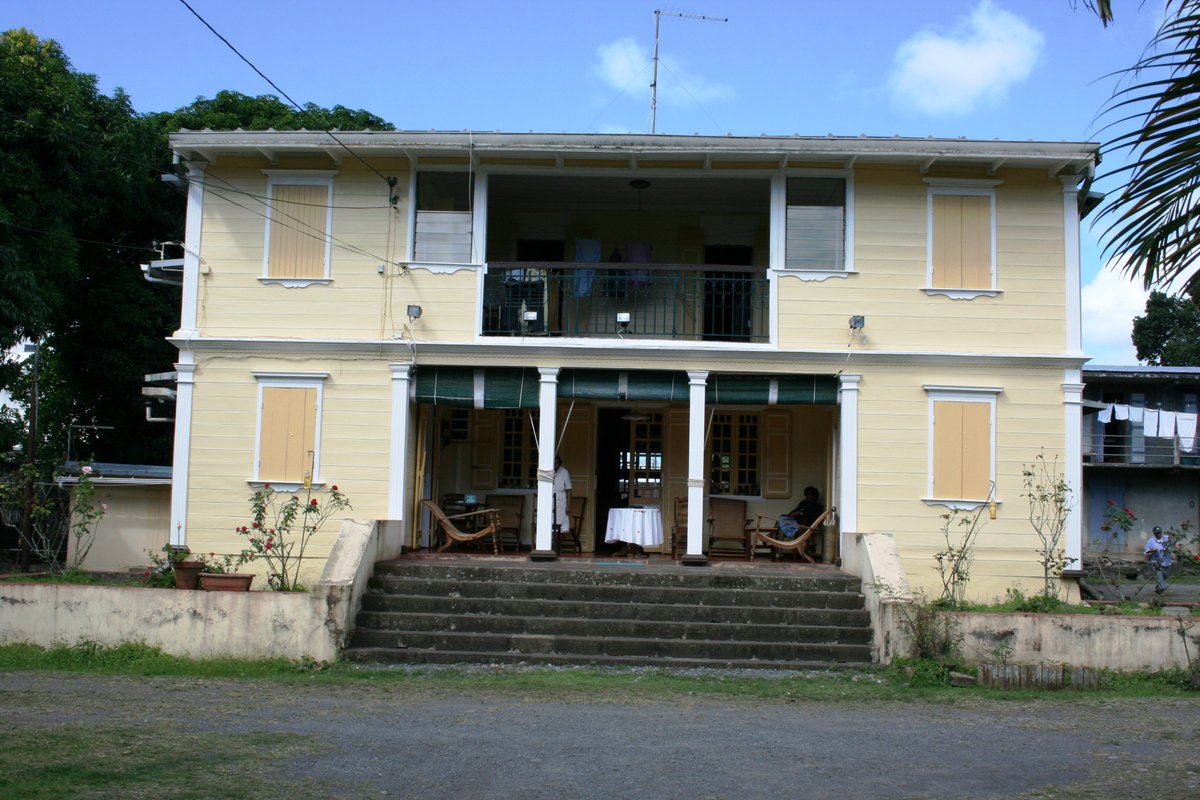
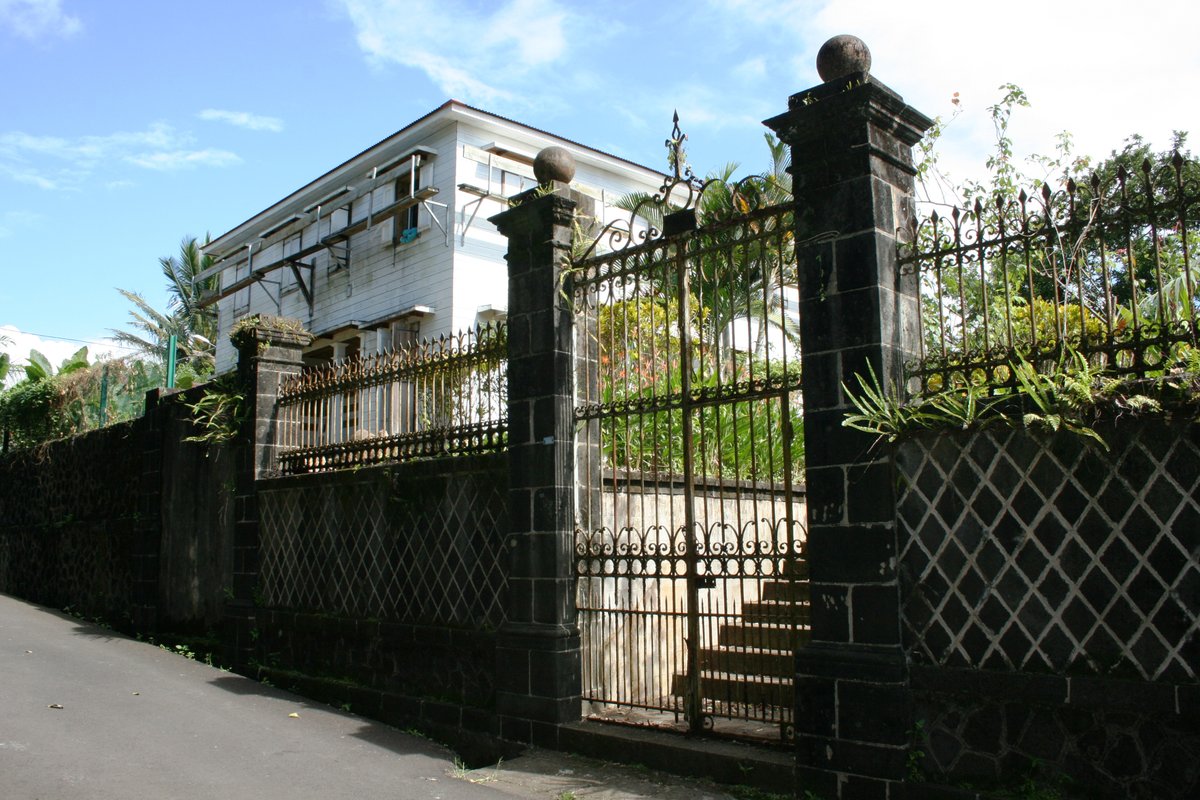
The Domaine du Grand Hazier is an agricultural estate located in Sainte-Suzanne on the island of La Réunion. It originated from a colonial plantation founded in the late 17th century. Between 1674 and 1678, the colonial governor granted a concession to Jean Julien, a former soldier. He settled on the east coast with his wife and began cultivating the land, which was confirmed to him in 1703. From the beginning, enslaved people participated in the development of the estate, including a man named Charles who was among the first to work the land.
In 1709, Jean Julien exchanged Charles for another enslaved person to help Augustin Panon, who had acquired half of the Grand Hazier. After Jean Julien died in 1714, Panon became the sole owner but continued to live at his own residence, La Mare. His plantations produced wheat, rice, millet, sweet potatoes, sugar cane, and various fruits and vegetables. By 1723, the estate spanned 147 hectares. Following the death of his wife, the property was divided among Panon's children, and the name "Le Grand Hazier" came to designate the area and its various habitations.
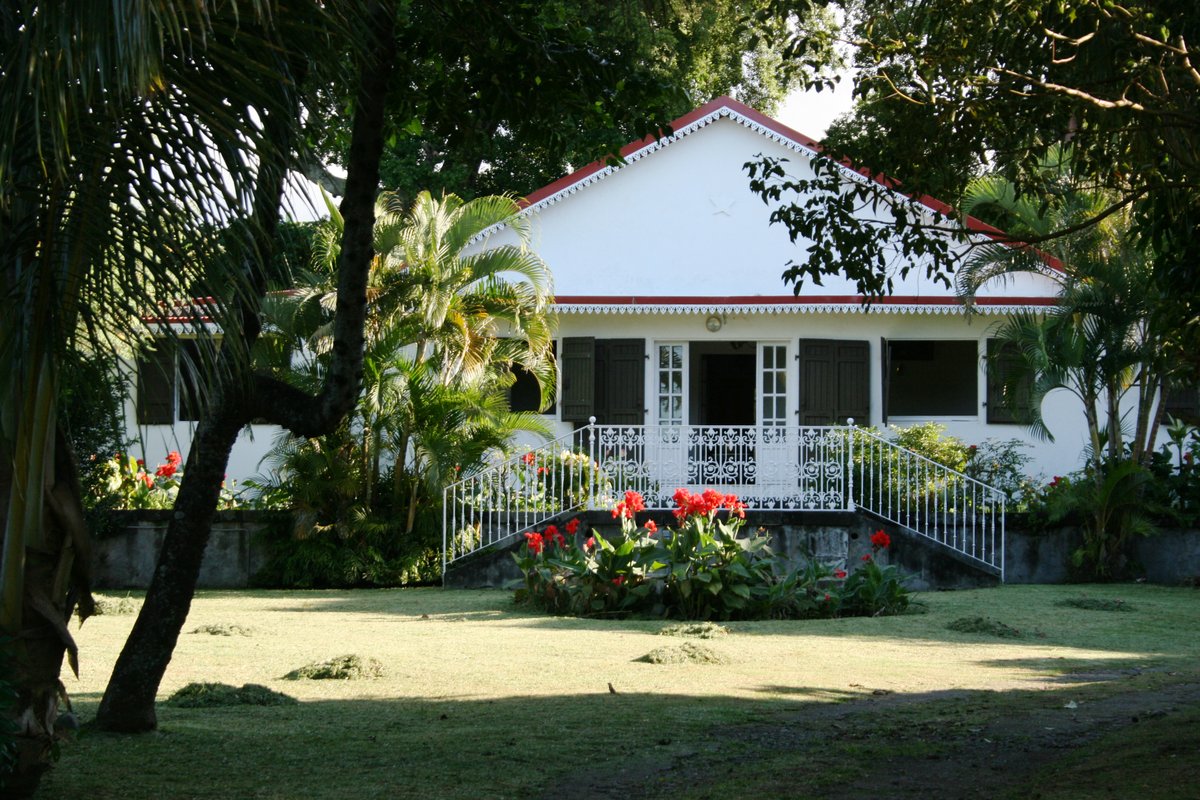
Between 1789 and 1813, the main estate belonged to Nicolas Vincent Charles Caradec, a Breton of aristocratic lineage, who built the master house. Although slavery was first abolished by the Convention montagnarde in 1794, this was rejected by local notables and did not apply on the island. After Caradec died in 1813, his widow Madeleine Gillot shifted some production toward sugar cane and helped build a sugar factory near 1830. Slavery was finally abolished by decree in 1848, and the owners received financial compensation. To replace the labor, planters turned to the system of engagisme, recruiting workers from several regions.
The estate passed through several owners, including the Nas de Tourris family and later Adolphe Richard and his wife. In 1894, Ernest Vinson purchased the estate, and it was later sold to a company before being bought by Albert Chassagne in 1903. Chassagne, an engineer, expanded the cultivation to include ylang-ylang and vanilla alongside food crops like cassava and maize. Today, the domain has become a lush little paradise and is open to visitors.
Sources: Wikipedia, OpenStreetMap, Wikidata, Wikimedia Commons
Written by Mutabor
Discuss this with the author and others
No comments yet. Be the first to start the conversation.