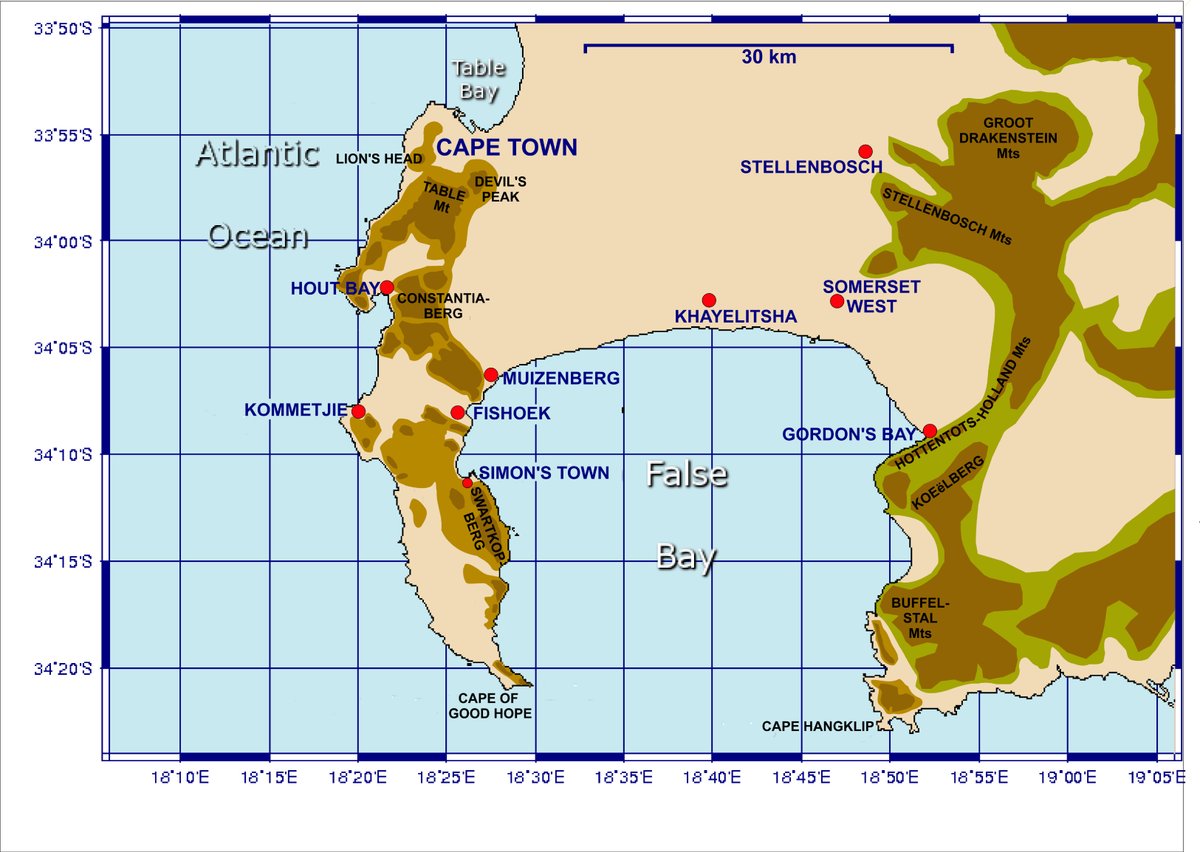

In the winter of 1794, French troops overran the Dutch Republic, which was transformed into the Batavian Republic. In response, Britain launched several expeditions against Dutch colonies to eliminate threats to British trade with the East Indies. The expedition to the Cape set sail under Vice-Admiral of the Red Sir George Elphinstone in April 1795, arriving off Simon's Town in June. Attempts to negotiate a settlement with the colonial government achieved nothing, and British forces made an amphibious landing on 7 August.
A short battle was fought at Muizenberg, and skirmishing between British and Dutch forces continued until September when a larger British force landed. With Cape Town under threat, Governor Abraham Josias Sluysken surrendered the colony. Elphinstone subsequently strengthened the garrison against counterattack and stationed a Royal Navy squadron off the port.
Almost a year later, a Batavian Navy squadron reached the colony only to find that it was badly outnumbered, and surrendered without a fight. The British occupation continued until the Peace of Amiens in 1802, when one of the treaty terms returned the Cape Colony to the Batavian Republic. In 1806, a second British invasion reoccupied the colony after the Battle of Blaauwberg, and it remained a British colony until the establishment of the Union of South Africa in 1910.
Sources: Wikipedia, OpenStreetMap, Wikidata, Wikimedia Commons


Written by Mutabor
Discuss this with the author and others
No comments yet. Be the first to start the conversation.