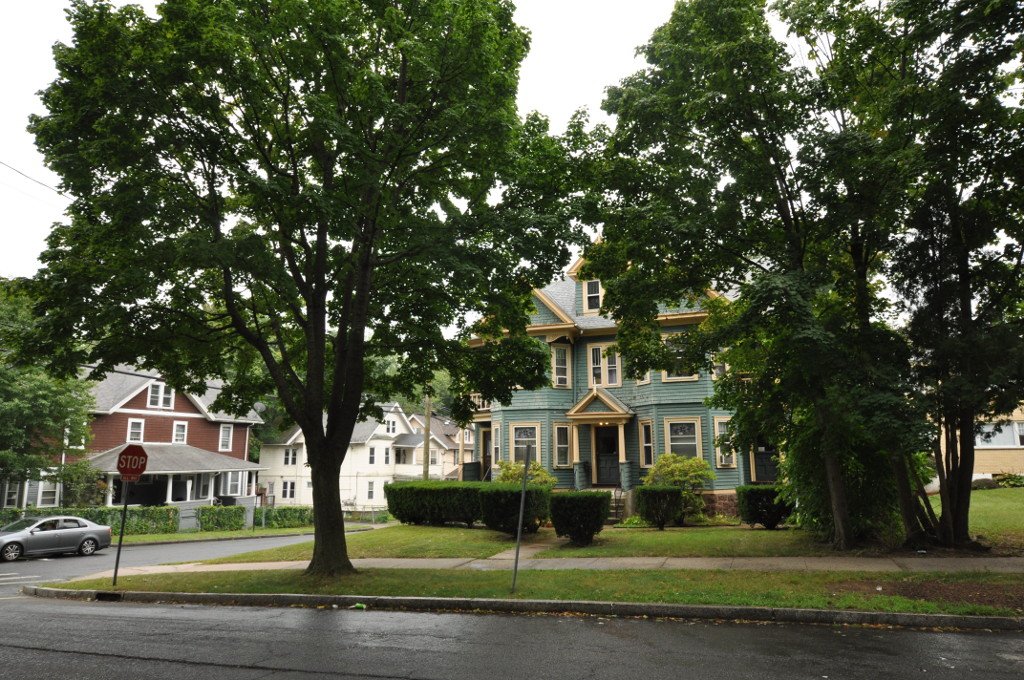
Hartford's West End was primarily farmland until about 1870. By the early 1890s, the city's streetcar network had extended into the area, and the farmland was purchased by developers, platted, subdivided, and developed.
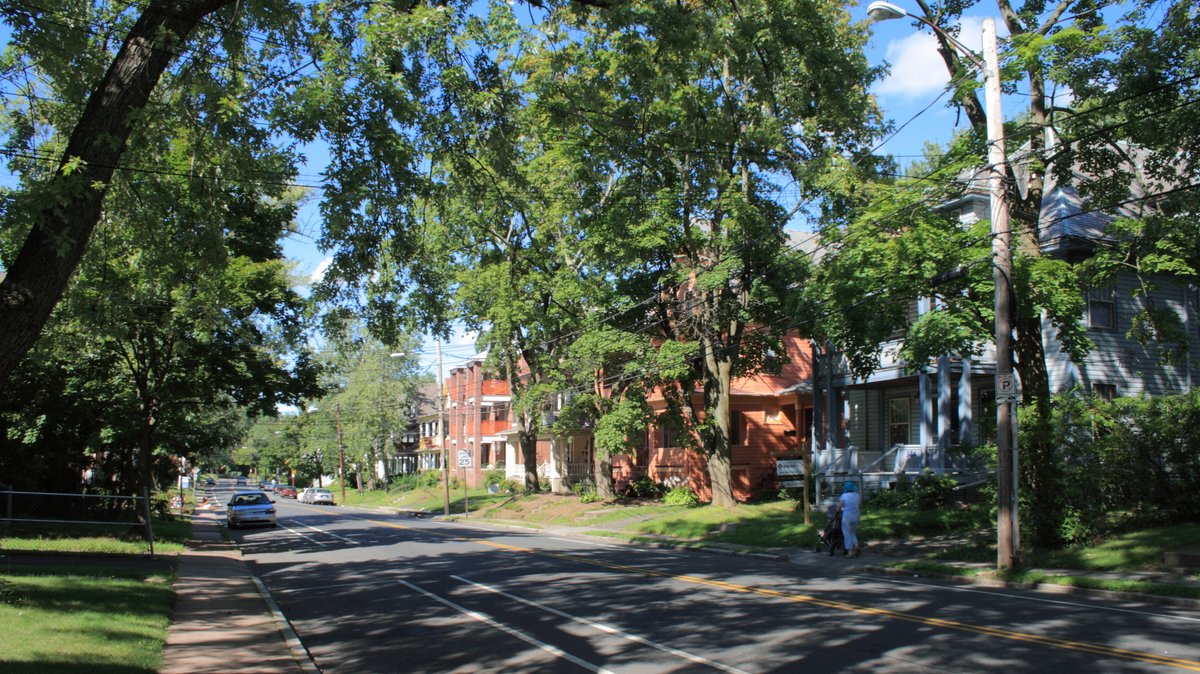
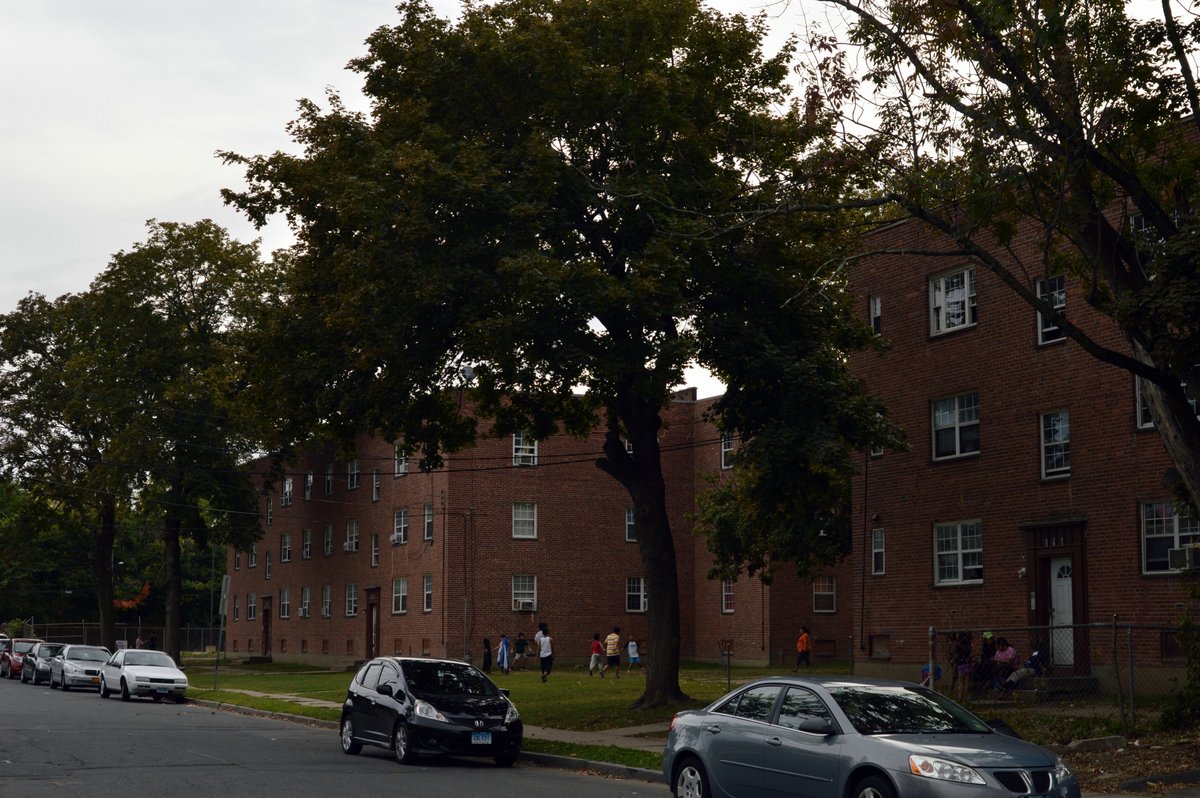
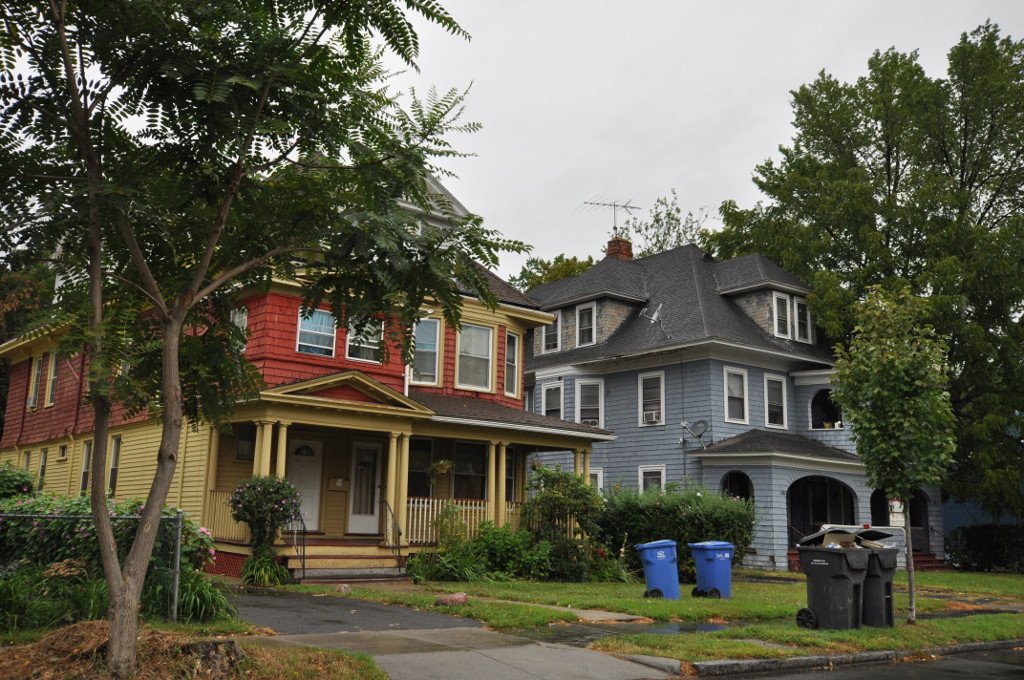
The Sisson-South Whitney Historic District grew between 1890 and 1930. South Whitney Street was laid out in 1897, and Sisson Avenue in 1900. Nearly 1/3 of the district's buildings were erected between 1890 and 1909, and development continued at a similar pace for the next two decades. Most buildings are residential two-story structures, of which the majority are wood frame construction.
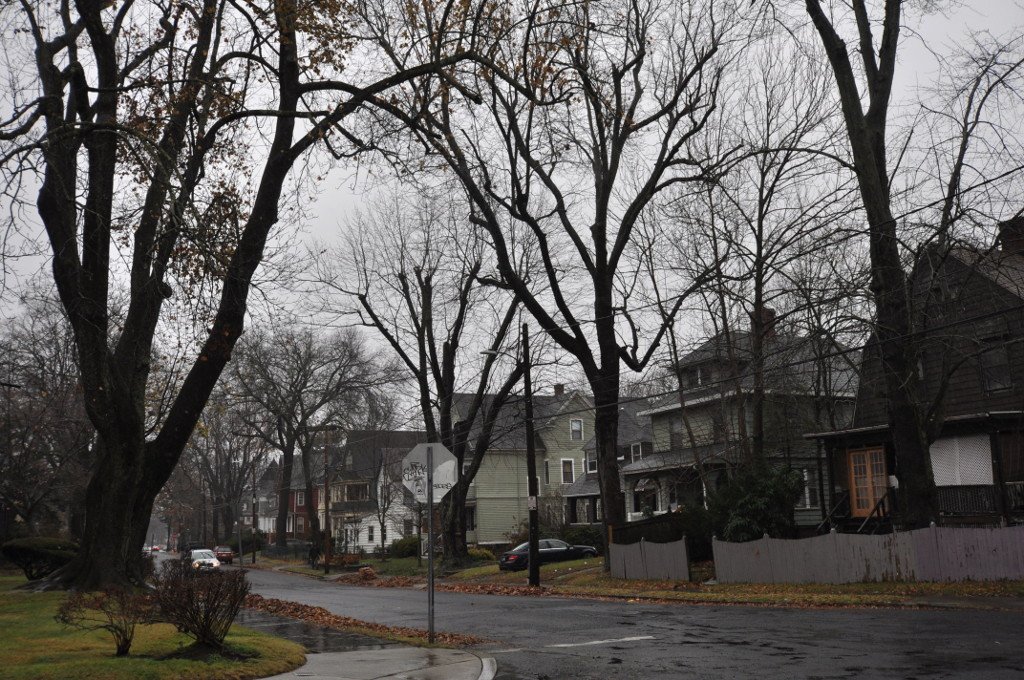
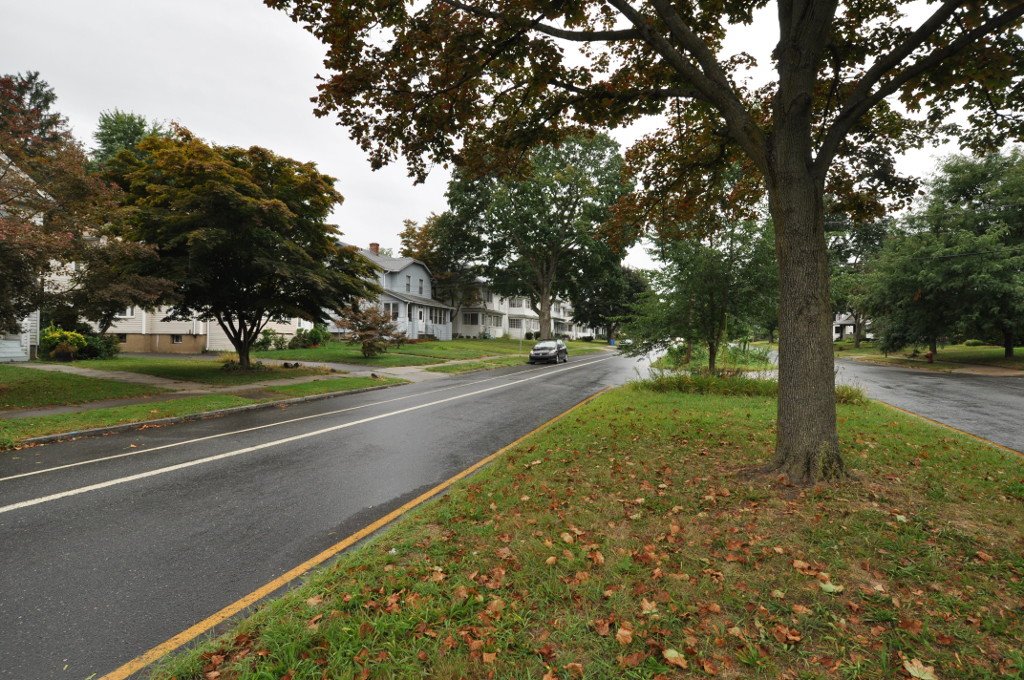
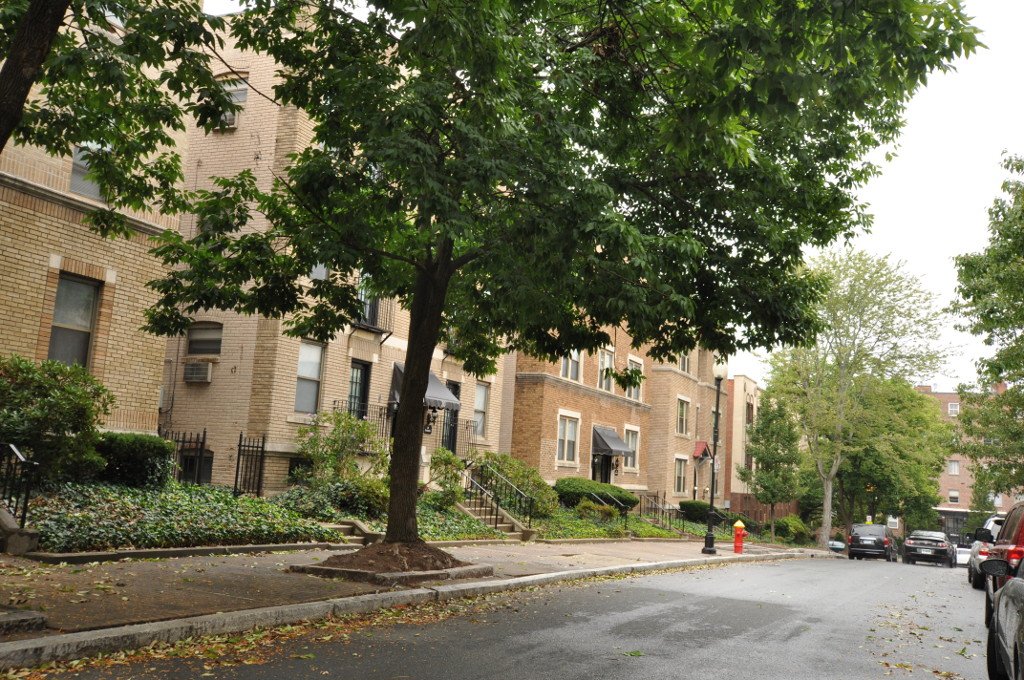
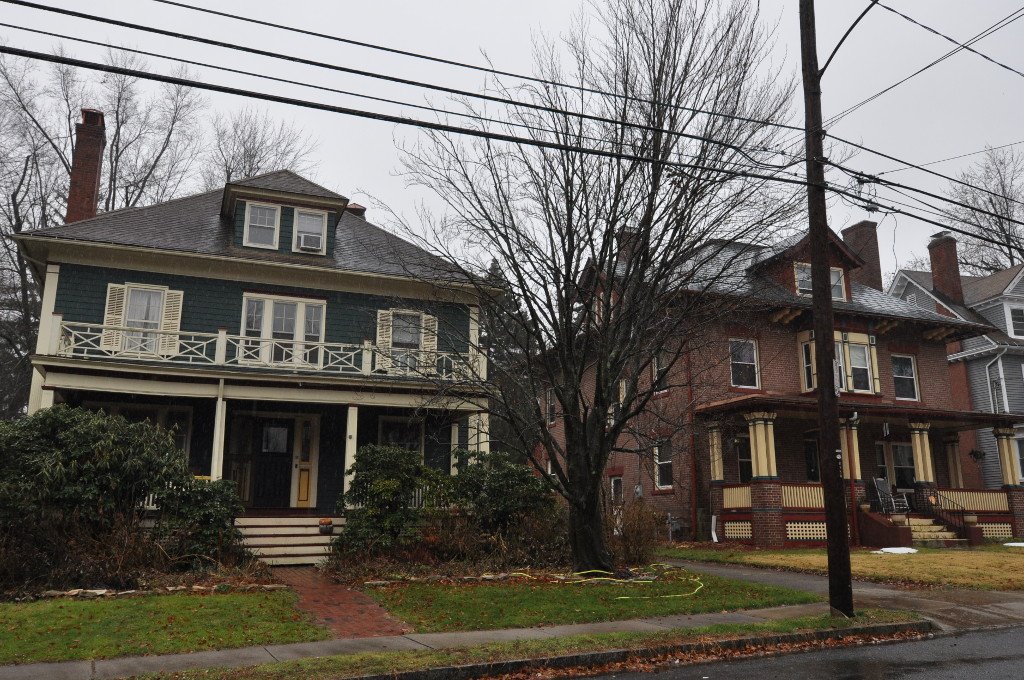
The architecture uses revival styles popular at the time to create a unified streetscape. Farmington Avenue serves as a commercial service area for the neighborhood. Residences are typically set on small lots with uniform setbacks and scale. The district was listed on the National Register of Historic Places in 2013.
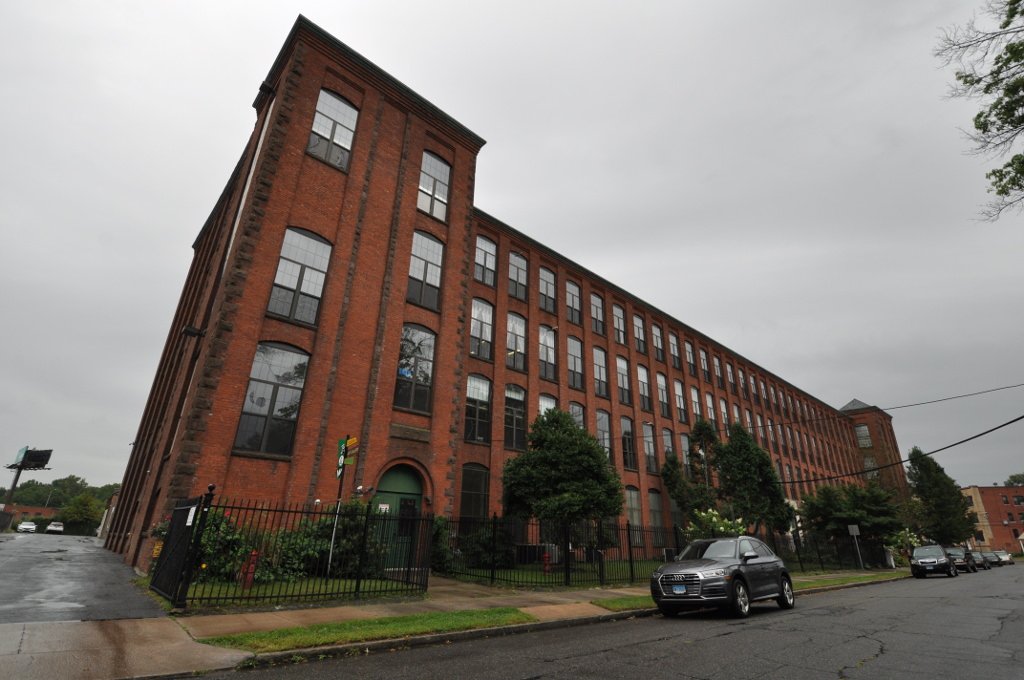
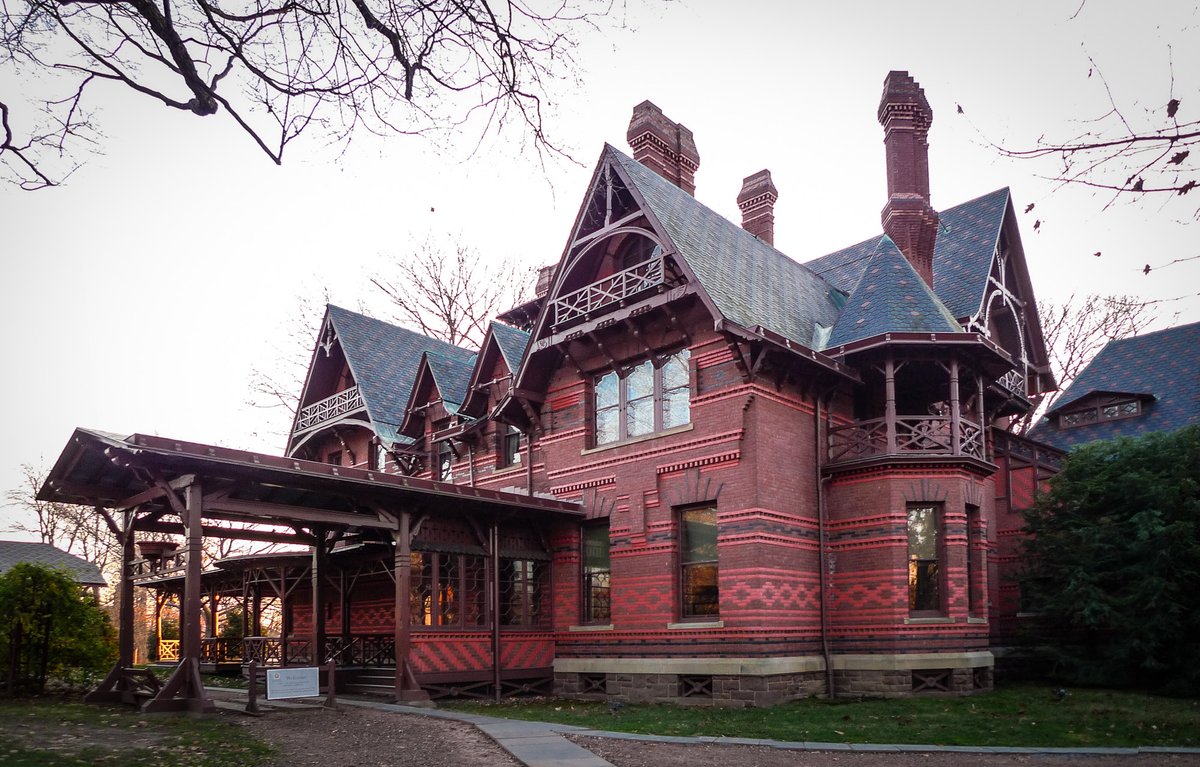
Walk these streets today. See the diversity of residential and commercial architecture, reflective of its initial development and subsequent growth.
Sources: Wikipedia, OpenStreetMap, Wikidata, Wikimedia Commons
Written by Leroy
Discuss this with the author and others
No comments yet. Be the first to start the conversation.