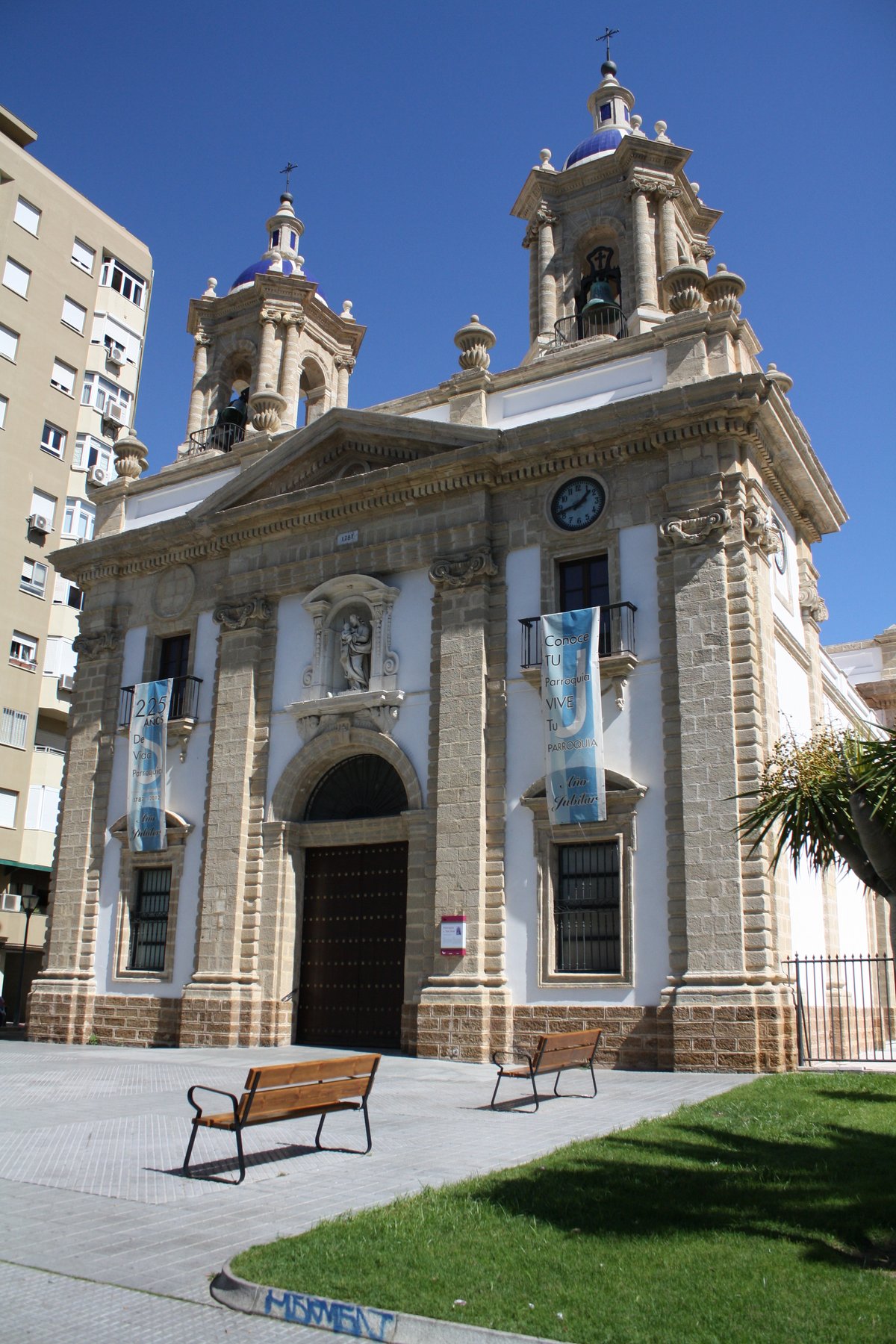

Iglesia de San José, also known as the Church of San José, stands as a profound emblem of the Spanish colonial legacy in Puerto Rico, embodying the early efforts of evangelization that sought to integrate European Catholic traditions with the indigenous. The church was built between 1523 and multiple subsequent phases, serving as a testimony to the religious, political, and cultural life of San Juan, Puerto Rico, and the Caribbean world.
While the church has remained in the hands of the Catholic Archdiocese throughout its history, stewardship has passed between the Dominican, Jesuit, and Vincentian orders, each contributing to its complex history. Of particular architectural significance is the early Isabelline Gothic ribbed vault construction, which incorporates tinajones (Spanish ceramic amphora) between the roof vaults of the sanctuary and transept, an unusual construction technique that dates to Antiquity and was brought to the New World by Spanish builders.
The surviving 17th century painted interior of the Rosario Chapel has particular significance due to a past restoration which removed almost all of the original plasters in the main church, thus making the chapel a rare survivor.
Construction of the church began in 1523, with the Rosario Chapel first mentioned in the 1582 Memoria of Ponce de Léon. The patrons of the chapel at this time are believed to have been Juan Guilarte and his sister-in-law Dona Luisa de Vargas, who donated funds to the chapel for use as a family crypt. Between 1635 and 1641, major renovations to the church occurred with the support of Governor Inigo Mota de Sarmiento, after the 1625 Dutch attack. These renovations included the completion of a gabled wooden roof over the incomplete main nave, reconstruction of the transept, and the remodeling of the free-standing Rosario Chapel as a ‘pantheon for the governors of the island’. This description helps to date the dome construction of the Rosario Chapel to the mid 17th century. Over 60 people were buried in the crypt beneath this chapel, many of them early governors of Puerto Rico.
In 1776, four years and two hurricanes later, 4,000 pesos were sent by the King of Spain for repairs. It is at this time that buttresses are thought to have been added to help support the newly constructed brick barrel vault of the main nave. Some of these buttress supports rest on the lower roofs of the side chapels including the dome of the Rosario Chapel and clearly post date the construction of the chapel.
Sources: Wikipedia, OpenStreetMap, Wikidata, Wikimedia Commons
Written by Nik Frost
Discuss this with the author and others
No comments yet. Be the first to start the conversation.