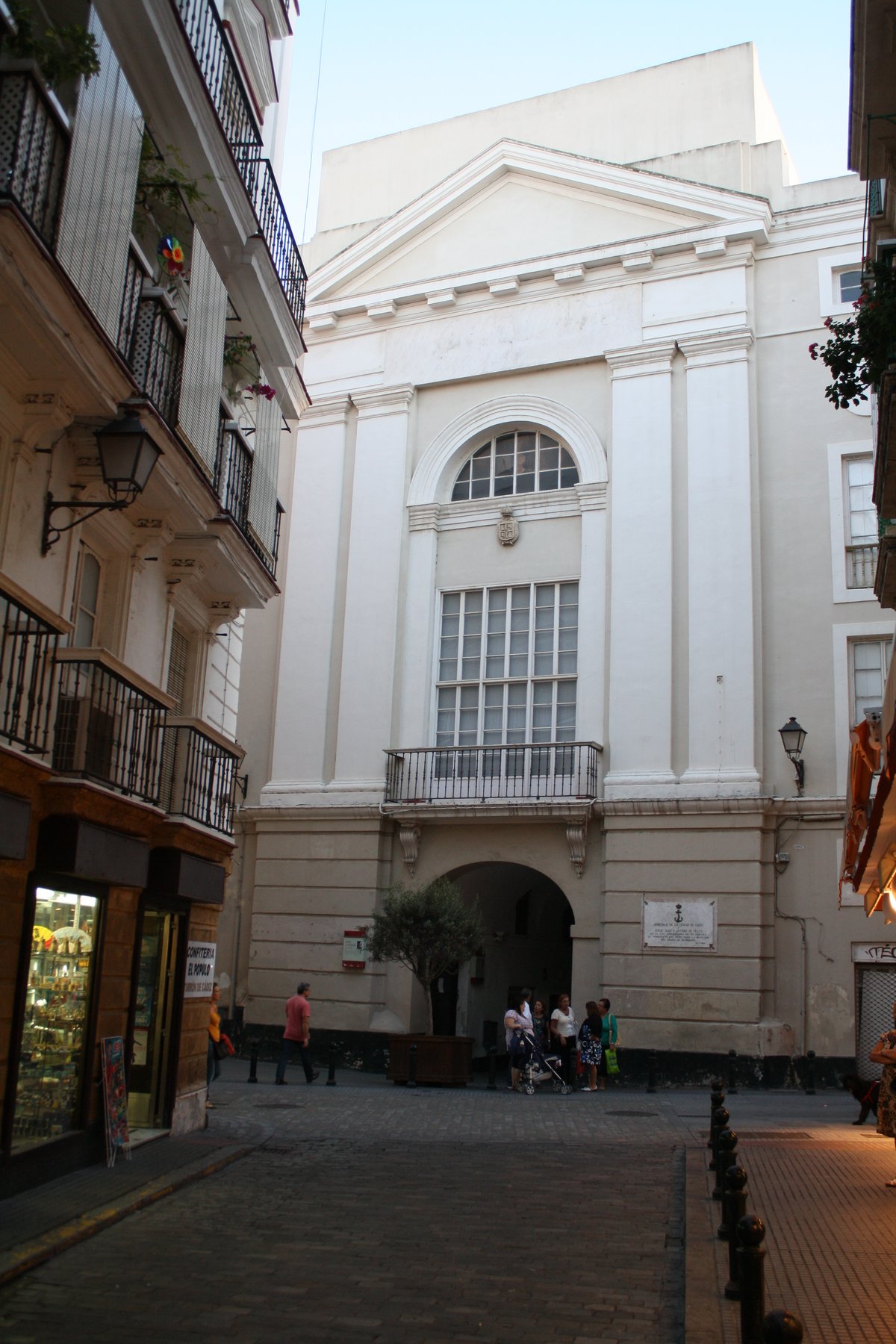

Arco del Pópulo, situated in Cádiz, Spain, carries a history spanning back to the 12th century. Initially recognized as the Principal Gate or Puerta del Mar, it served as a gateway to the port region, with the waves of the bay approaching it closely. The Bay-Caleta Canal and Plaza Real were the original pier (although not the main port), but their location may not have been considered the primary port of call. The bay-side entrance featured a ravelin and was flanked by two large fortified cubes, with a clock created by a watchmaker from Osuna on the right one.
The archway itself is a remarkable study, with its arched, horseshoe design and arrangement of the voussoirs implying it was built during the Almohad period, in the 12th century. Its inner wall bears resemblances to Islamic walls from the 10th and 11th centuries, hinting at the influence of the Moorish culture that once thrived in the region. The unveiling and preservation of such architectural features provide a glimpse into the past and serve as a symbol of Cádiz's rich, ongoing history.
Sources: Wikipedia, OpenStreetMap, Wikidata, Wikimedia Commons
Written by Nicolo Ciampini
Discuss this with the author and others
No comments yet. Be the first to start the conversation.