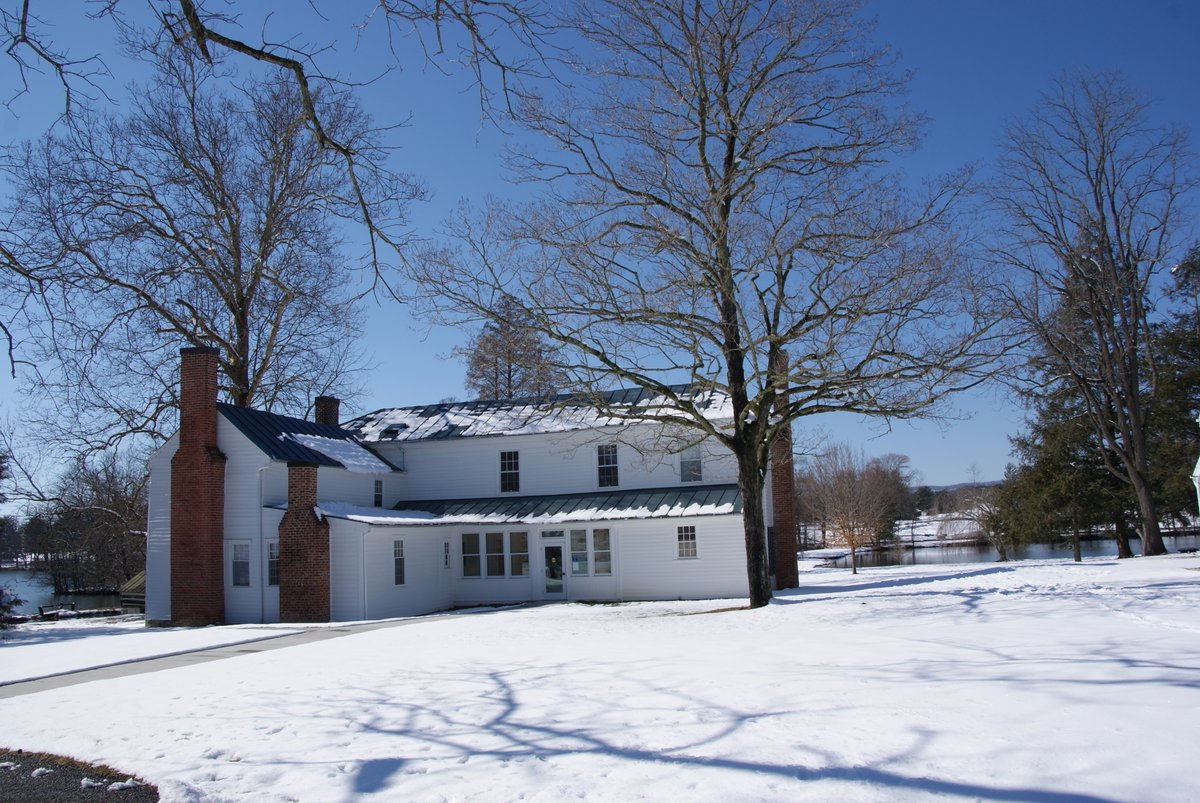
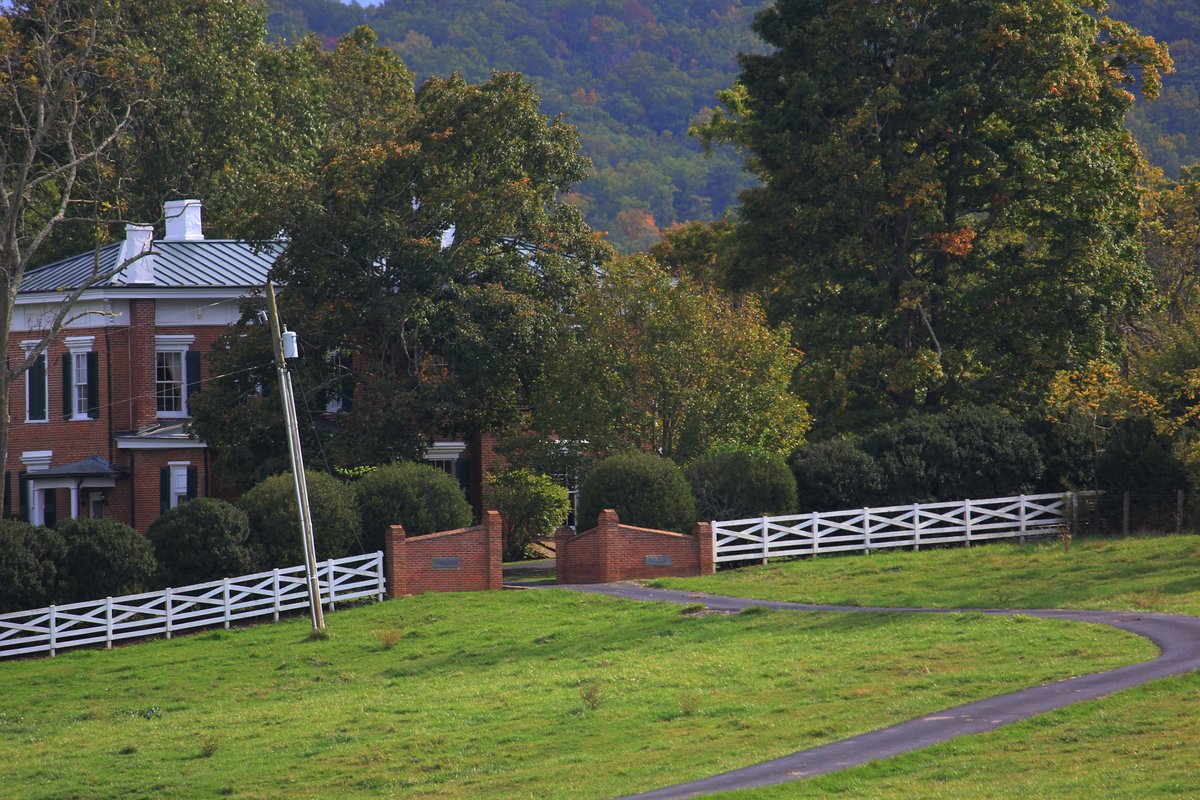
Step back in time to the early 1800s and find a touch of the past right at Virginia Tech’s West Campus Drive 705. Solitude, the oldest building on the campus, is a fascinating piece of history, dating back over 200 years.
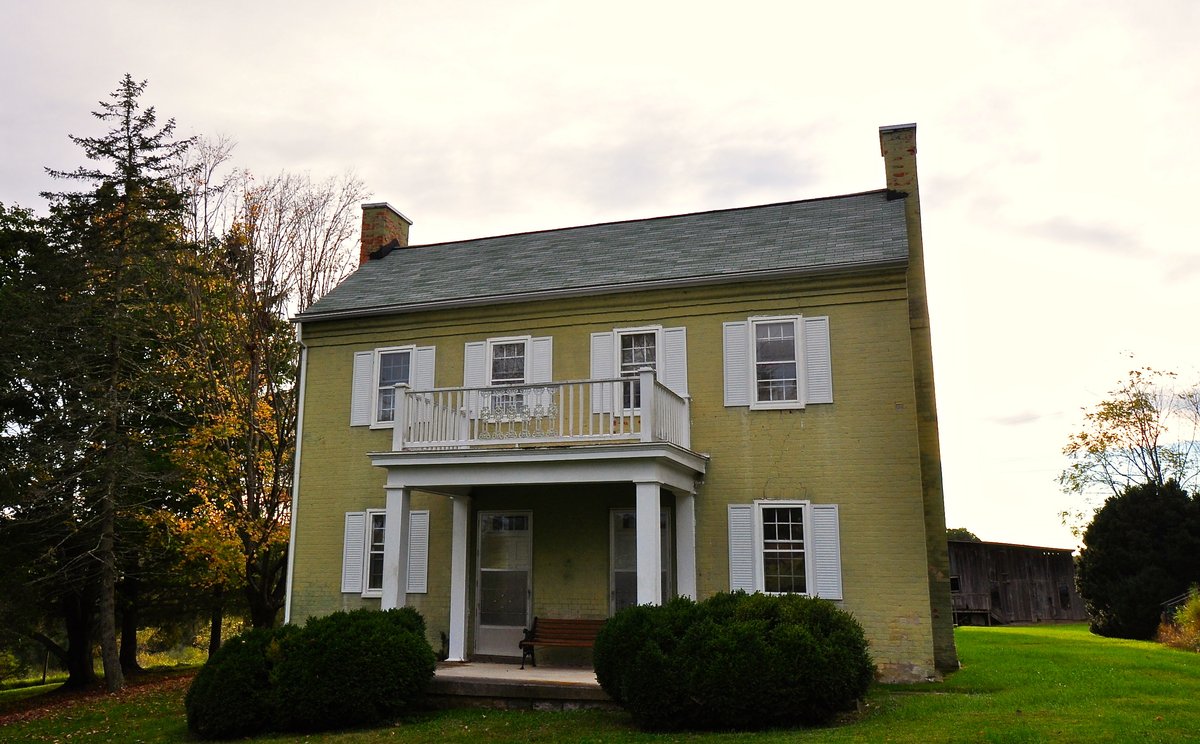
Built in 1802, Solitude was the first section of a larger estate that grew over time, with expansions happening between 1834 and 1850s. Col. Robert Preston, who received the land surrounding Solitude from his father, Virginia Governor James Patton Preston, oversaw these expansions. This unique two-story, L-shaped, five bay, log and frame dwelling with a hipped roof underwent mid-19th century modifications, transforming it into a Greek Revival style.
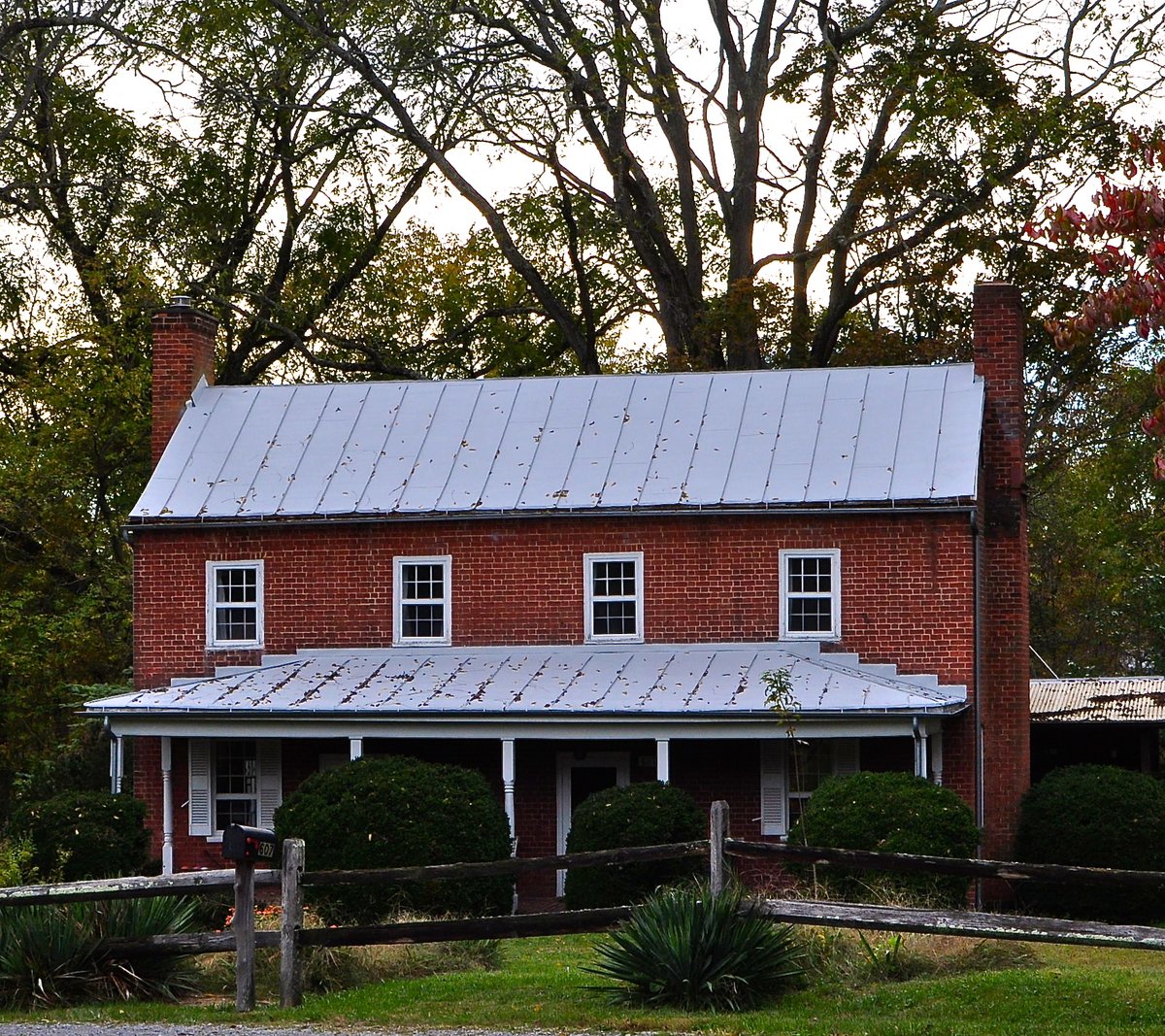
Please note that Solitude also features a contributing stone springhouse with a log superstructure and a log outbuilding that was built in about 1844 and rechristened as the Fraction House at Solitude in 2019. The name change recognizes the importance of the Fraction House as a dwelling for the largest enslaved population living on the site.
The Solitude farm became part of the central campus of Virginia Agricultural and Mechanical College in 1872. The farmhouse, after the death of its original owner, Robert Taylor Preston, in the following decade, served as a college infirmary from 1882 to 1886. Then, for the following 60 years, the Fraction House and the farmhouse were used as faculty housing.
The 1940s saw Solitude transformed into a clubhouse for returning World War II veterans. Dances regularly were held in Solitude’s two front parlors during this time, and in the 1960s and 1970s, Solitude was used by the Hokie Club before academic programs started using the building in 1974.
Solitude housed a human nutrition and food laboratory and interior design studios and offices, before making way for the Appalachian Studies Program. Today, the Henry H. Wiss Center for Theory and History of Art and Architecture calls Solitude home.
After years of vacancy, Solitude underwent a $1 million restoration project that began in July 2010 and lasted half-a-year, with much of the funding provided by the Mary Morton Parsons Foundation of Richmond, Va. Solitude now stands beautifully landscaped and adjacent to the central campus of Virginia Polytechnic Institute.
Sources: Wikipedia, OpenStreetMap, Wikidata, Wikimedia Commons


Written by No Other
Discuss this with the author and others
No comments yet. Be the first to start the conversation.