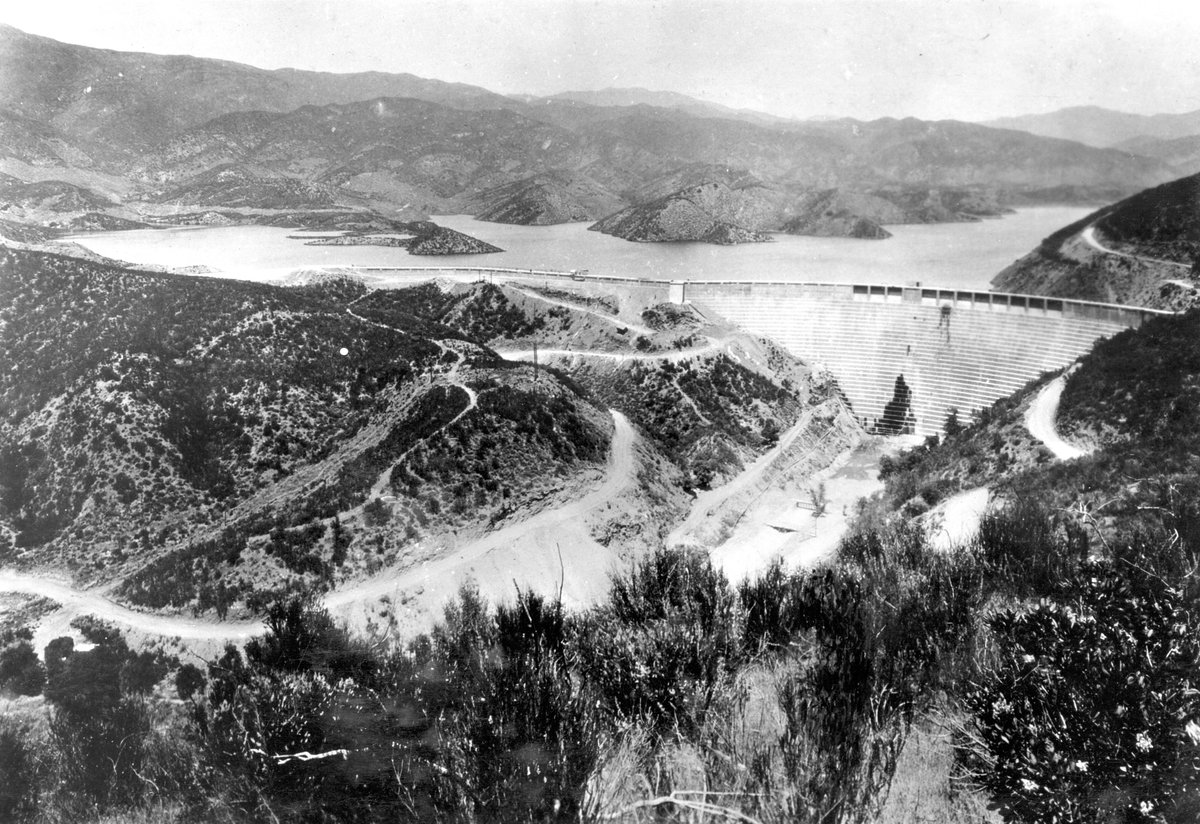

In 1928, one of the worst American civil engineering disasters of the 20th century occurred, killing at least 431 people in a subsequent flood and leaving a mark on California's landscape. This tragedy involved the St. Francis Dam - a structure that failed catastrophically just two years after its completion. The disaster ended the career of William Mulholland, the general manager and chief engineer of the Bureau of Water Works and Supply, who had achieved great recognition among members of the engineering community.
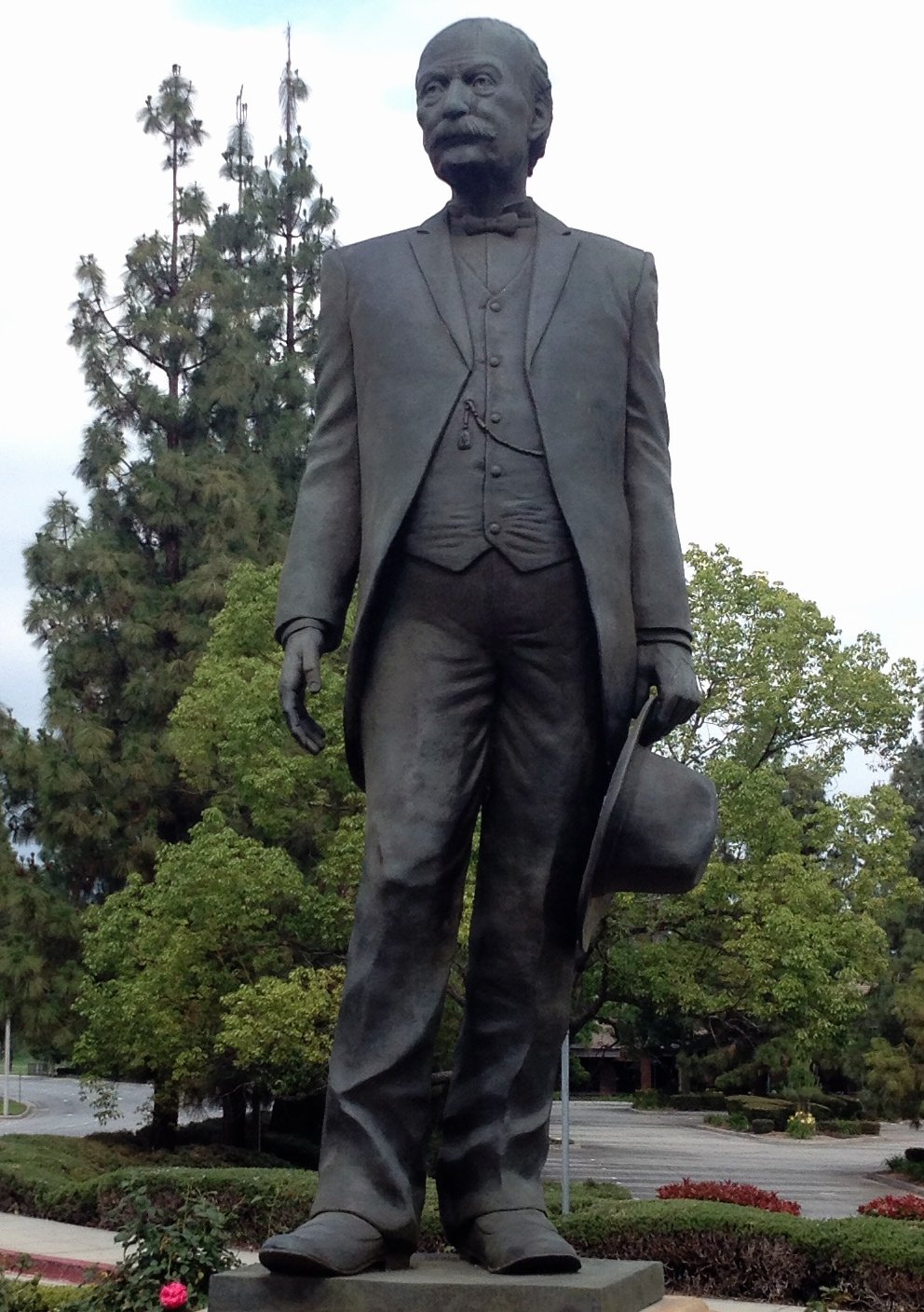
During the early years of Los Angeles, the city's water supply was obtained from the Los Angeles River through a series of ditches called zanjas. Mulholland, who began as a ditch tender in 1878, eventually rose to become the Bureau's superintendent and chief engineer. He recognized San Francisquito Canyon as a potential site for a dam to provide a reservoir of sufficient size for the city's water needs in the event of a drought or if the Los Angeles Aqueduct were damaged by an earthquake.
Construction of the dam began in early August 1923 without much fanfare, following the completion of the 233-mile Los Angeles Aqueduct. The St. Francis Dam was an adaptation of the design of the Mulholland Dam, with modifications made to suit the site. However, a defective soil foundation and design flaws led to the dam's collapse just two years after its completion, resulting in a flood that killed at least 431 people.
Sources: Wikipedia, OpenStreetMap, Wikidata, Wikimedia Commons




Written by Friendly Jane
Discuss this with the author and others
No comments yet. Be the first to start the conversation.