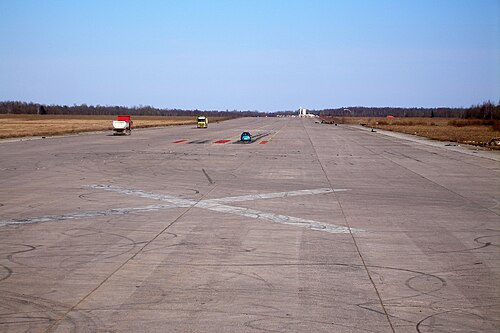

Some landscapes carry memory like an aftertaste — subtle, lingering, impossible to name at first. The Raadi Fields on the eastern edge of Tartu are one such place. Wide and wind-streaked, they seem, at first, simply empty. But the soil here remembers things: takeoffs and landings, revolutions and regimes, fiction and film. If you listen, it speaks.
Long before these fields became a filming location for Truth and Justice, Estonia’s Oscar-nominated epic, they played host to a different kind of spectacle. On April 14, 1912, a crowd gathered to witness the first motorised flight in Estonian history — Russian pilot Sergei Utotškin soaring above Raadi Manor’s grounds in a Farman biplane. Capturing it all was Johannes Pääsuke, a young filmmaker and photographic pioneer. Estonia’s sky had officially opened.
Two years later, in the shadow of World War I, Baron Liphart, the nobleman of Raadi Manor, had the estate’s farmland turned into a makeshift airstrip. In the summer of 1914, a dozen aircraft from the St. Petersburg Military District landed here — the beginning of Raadi’s long entanglement with military aviation.
After Estonia gained independence in 1918, Raadi became home to the 2nd Squadron of the Estonian Aviation Regiment, symbolizing the birth of a national air force. But the peaceful years were short-lived.
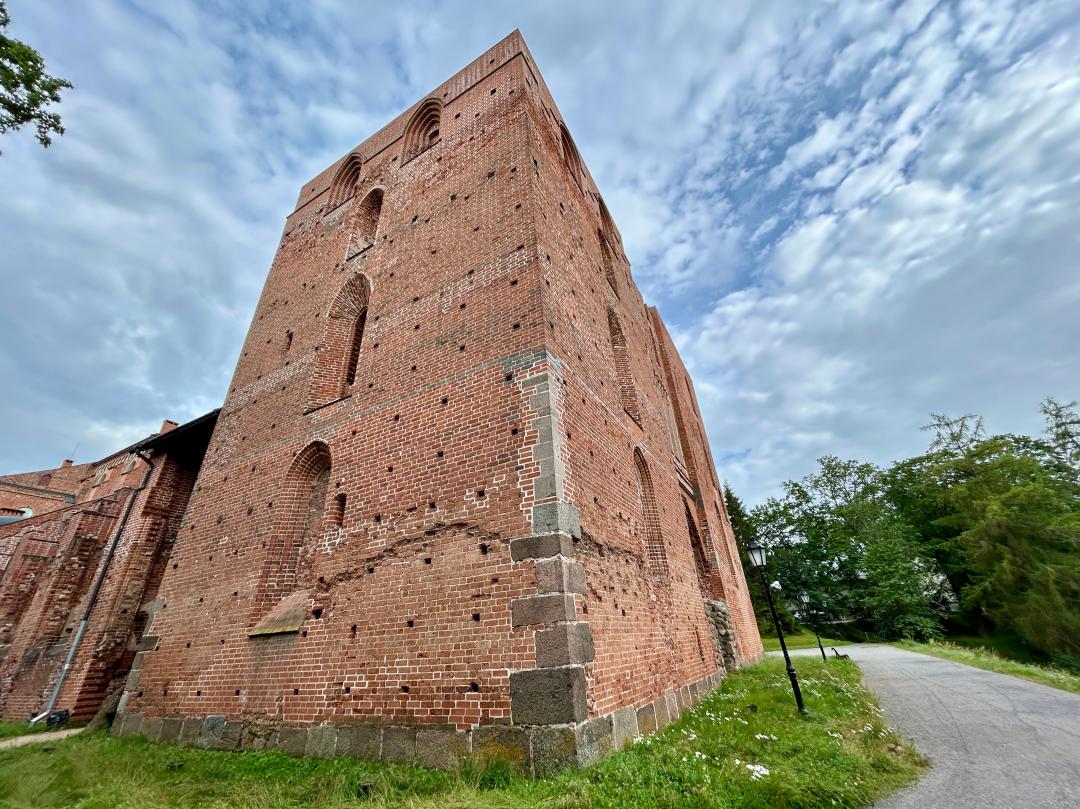
By the 1950s, during the height of Soviet occupation, Raadi was transformed once again — this time into one of the largest and most secretive air bases in Eastern Europe. Long-range strategic bombers were stationed here, some allegedly capable of carrying nuclear weapons. The base was so sensitive that for decades Raadi didn’t appear on public maps, and the nearby Raadi Manor, once a cultural heart of Tartu, was sealed behind fences. Locals couldn’t even walk nearby.
The base remained active into the post-Soviet era. As late as 1993, Raadi was still listed as an emergency airfield on Jeppesen aviation charts, a backup for commercial airlines. But by then, the decline had already begun. Used car lots began to sprawl across the disused runway, quietly putting an end to its flying days. The last known plane is believed to have landed here in 1996.
Then, something remarkable happened. The silence of abandonment gave way to imagination. On January 16, 2006, the winning design of an international architecture competition was unveiled — a bold, glass-and-concrete vision for the Estonian National Museum, rising like a symbolic runway from the site’s military past. In 2016, the museum opened, transforming Raadi from a forgotten base into a national stage for memory, culture, and dialogue.
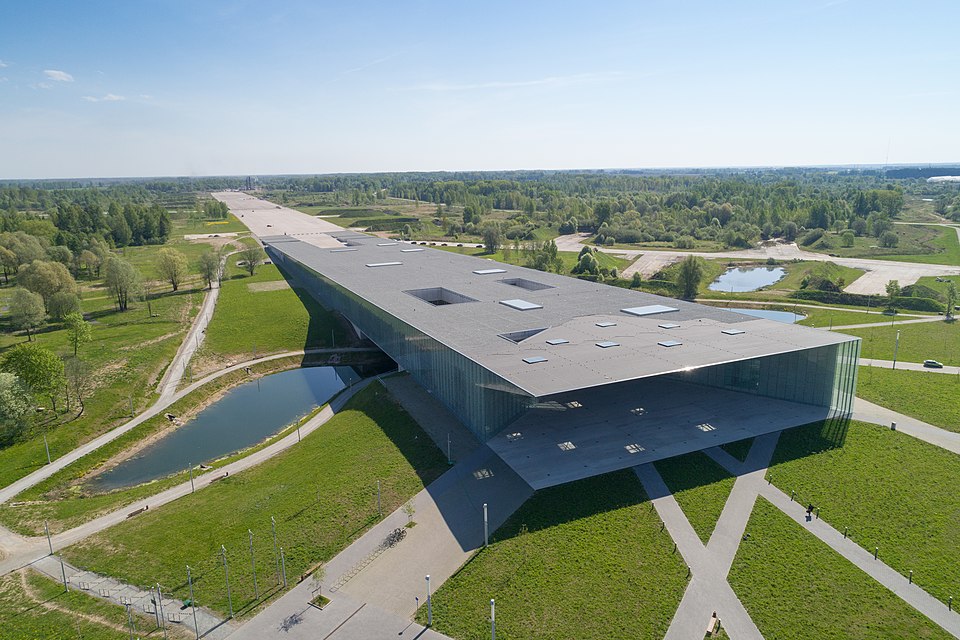
Around the same time, the stark, empty beauty of Raadi Fields was chosen as a key filming location for Truth and Justice, based on A. H. Tammsaare’s iconic novel. The landscape — bleak, open, elemental — embodied the moral and physical struggles of the story’s 19th-century settlers. It became a character in its own right: timeless, raw, unflinching.
Today, the runways are gone, though their outlines can still be traced beneath the grass and gravel. The silence remains, but it’s no longer empty. You can walk here with your dog, pass rusting bits of concrete, and feel both the weight and renewal of history. Whether drawn by the film, the museum, or the ghost of jet engines overhead, Raadi offers one of Tartu’s most quietly powerful experiences.
It’s a place where flight, fiction, and forgotten warplanes still hang in the air — and where Estonia’s past and future now share the same ground.
Photos: Wikipedia
Museum: https://erm.ee/

Written by Holly Golightly
Discuss this with the author and others
No comments yet. Be the first to start the conversation.